Physicians didn’t go to medical school to become data entry clerks. Yet many spend a significant chunk of their day clicking through electronic health records, typing notes, and chasing documentation instead of focusing on patients. This administrative burden has become one of the most persistent frustrations in modern healthcare, contributing to burnout and pulling attention away from the reason most providers entered the field in the first place: patient care.
Remote scribes have emerged as a practical solution to this problem. By handling real-time documentation during patient encounters, whether in person or via telehealth, remote scribes free providers to focus on the conversation in front of them. Here’s a closer look at how this model works and why it’s making such a measurable difference in provider productivity and efficiency.
What Exactly Is a Remote Scribe?
A remote scribe is a trained documentation specialist who joins a patient encounter virtually, listening in real time and entering notes directly into the electronic health record. Unlike an in-person scribe who physically shadows a provider, a remote scribe connects through secure audio or video technology, often the same platform used for telehealth visits.
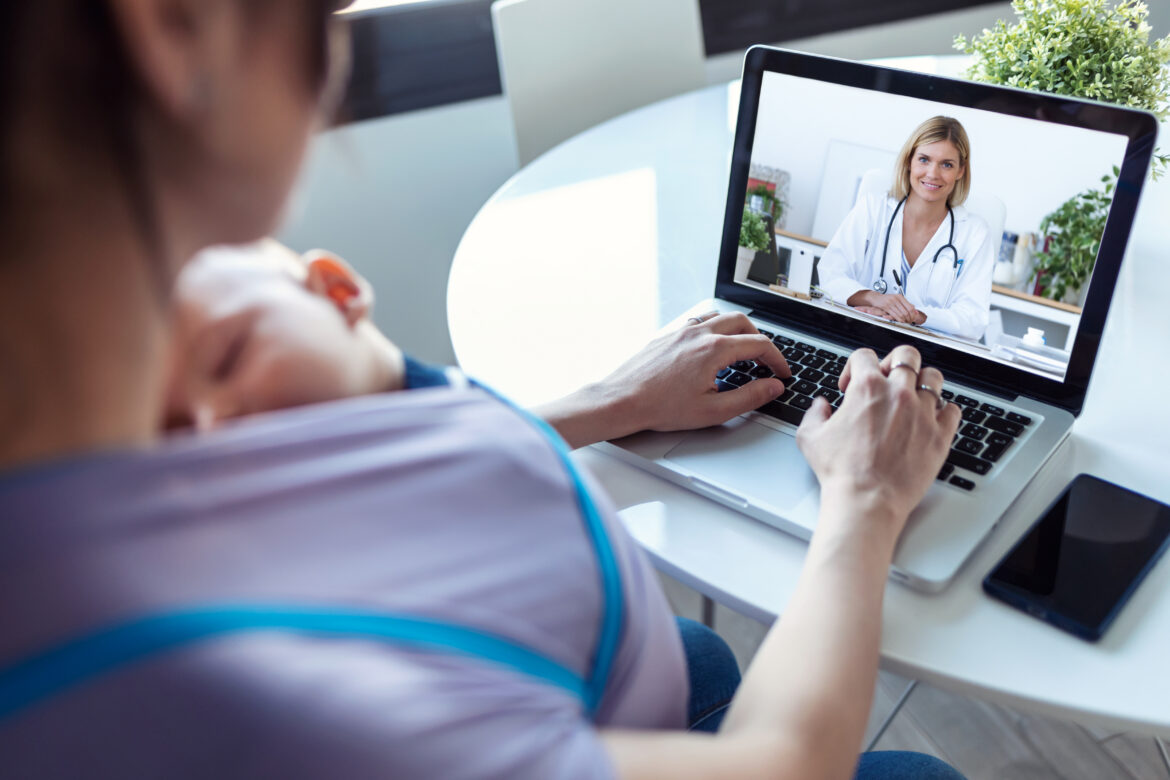
This setup makes remote scribes especially well-suited for telehealth appointments, where the entire encounter already takes place through a digital interface. The scribe can seamlessly join the virtual room, capture the clinical details, and complete documentation without the provider needing to juggle screens or interrupt the patient conversation to type notes.
The Productivity Gains Are Real
When a provider isn’t splitting attention between a patient and a keyboard, encounters tend to move more efficiently. Providers can ask more thoughtful follow-up questions, maintain eye contact during video visits, and spend less time backtracking to remember details after the appointment ends.
This shift often translates into providers being able to see more patients within the same clinic block, without feeling rushed. Because documentation happens concurrently rather than afterward, there’s less need to catch up on notes during lunch breaks or after hours. Many providers who adopt remote scribes report reclaiming personal time that used to be swallowed by charting, which has a direct and lasting effect on job satisfaction.
Reducing the Administrative Burden of Telehealth
Telehealth has expanded access to care in remarkable ways, but it introduced its own documentation challenges. Providers conducting virtual visits often find themselves managing multiple windows: the video call, the chart, and sometimes a separate messaging system, all while trying to maintain a natural conversation with the patient.
Remote scribes eliminate much of this juggling act. Because the scribe is already integrated into the virtual visit, providers can dedicate their full attention to the screen where the patient appears, rather than splitting focus across several applications. This is particularly valuable for specialties that rely heavily on telehealth, where visit volume and documentation demands can pile up quickly without support.
Improving Note Quality and Consistency
Efficiency isn’t just about speed. It’s also about accuracy. Notes written in real time by a trained scribe tend to be more detailed and consistent than those written from memory after the fact. Remote scribes are trained to capture the nuances of a visit, including the patient’s history, symptoms, and the provider’s clinical reasoning, in a structured format that aligns with the practice’s documentation standards.
This consistency matters beyond the individual encounter. Well-documented notes support better continuity of care, smoother billing and coding processes, and stronger compliance with regulatory requirements. When documentation quality improves across an entire practice, the benefits ripple outward to administrative staff, billing teams, and ultimately patients.
Supporting Provider Well-Being
Burnout tied to administrative overload is a well-documented concern across the healthcare industry. Remote scribes address this issue directly by removing a significant source of after-hours work. Providers who no longer need to finish notes late into the evening often report feeling more present during the day and less depleted by the end of it.
This isn’t just a personal win for providers. Practices that support provider well-being tend to see better staff retention, which reduces the costs and disruptions associated with turnover. A sustainable workload also means providers can maintain the quality of care their patients expect over the long term.
A Practical Fit for Modern Care Delivery
As telehealth continues to play a central role in how care is delivered, the tools that support it need to keep pace. Remote scribes offer a flexible, scalable way to manage documentation without requiring providers to change how they interact with patients. Whether integrated into a single telehealth clinic or rolled out across a larger practice, remote scribes provide a straightforward path toward better efficiency, stronger documentation, and a more sustainable pace of work for the providers who need it most.