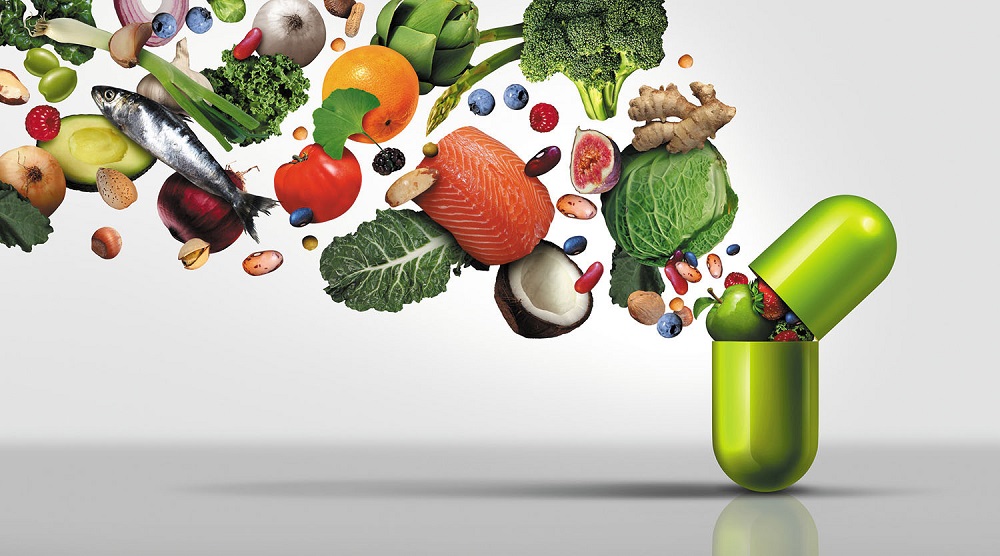
Optimizing physical health and combating complex infectious diseases require combining evidence-based dietary supplementation, rigorous public health awareness, and validated botanical medicine. Modern clinical research emphasizes evaluating dietary supplements through multiple scientific perspectives, understanding the global epidemiological burden of chronic respiratory infections such as tuberculosis (TB), and exploring bioactive natural extracts that support immune resilience. Establishing structured health protocols empowers individuals and healthcare professionals to make informed medical and lifestyle decisions.
Developing a sustainable wellness regimen demands balancing targeted micro-nutritional support with public health knowledge and safe herbal integration. From evaluating dietary ingredient bioavailabilities and manufacturing standards to analyzing global TB prevention initiatives and understanding antioxidant-rich botanical tonics, health seekers rely on verified scientific data. By combining clinical nutrition, infectious disease education, and natural phytotherapy, individuals cultivate long-term physical vitality.
Foundations of Dietary Supplementation, Ingredient Analysis, and Bioavailability
Nutritional supplements—including vitamins, minerals, amino acids, and specialized botanical extracts—serve to bridge dietary micro-nutrient gaps and optimize metabolic processes. Evaluating dietary supplements requires examining ingredient bioavailabilities, clinical dosages, and manufacturing quality control metrics such as Good Manufacturing Practices (GMP).
Key criteria for evaluating dietary supplements from multiple health perspectives include:
- Bioavailability and Molecular Form: Selecting nutrient forms that maximize intestinal absorption—such as chelated minerals or liposomal vitamin delivery systems.
- Synergistic Nutrient Combinations: Pairing complementary nutrients—such as Vitamin D3 with K2 or Iron with Vitamin C—to enhance cellular uptake and physiological utilization.
- Third-Party Quality Testing: Verifying independent laboratory certifications to ensure product purity, correct ingredient potency, and freedom from heavy metal contaminants.
- Targeted Metabolic Formulations: Customizing supplement stacks to address specific health goals—such as athletic recovery, cognitive focus, or immune support.
Analyzing dietary supplement formulation angles and clinical research guides helps consumers choose safe, effective products. Health enthusiasts, nutritionists, and consumers seeking comprehensive dietary supplement reviews, ingredient breakdowns, and nutritional stack advice can explore specialized supplement portals like Supplements Angles for nutritional supplement insights.
Tuberculosis Epidemiology, Pathogenesis, and Public Health Prevention
Tuberculosis (TB), caused by the bacterium Mycobacterium tuberculosis, remains one of the world’s leading infectious causes of mortality. Understanding TB transmission dynamics, latent versus active infection stages, and multi-drug resistant strains (MDR-TB) is critical for effective public health control and early clinical diagnosis.
Public health education efforts focus on raising awareness regarding TB risk factors, diagnostic screening tools—such as tuberculin skin tests (TST) and interferon-gamma release assays (IGRA)—and strict adherence to directly observed therapy (DOTS) treatment protocols. Educating communities on respiratory hygiene and immune health plays a vital role in curbing global TB transmission.
Key epidemiological facts and clinical considerations regarding tuberculosis include:
- Airborne Transmission Dynamics: Understanding how droplet nuclei spread through coughing or sneezing in enclosed, unventilated spaces.
- Latent TB Infection (LTBI) vs. Active Disease: Distinguishing between asymptomatic non-contagious latent infections and symptomatic active pulmonary disease.
- Multi-Drug Resistant Tuberculosis (MDR-TB): Navigating complex, long-term secondary antibiotic regimens required when bacterial strains resist standard first-line drugs like isoniazid and rifampin.
- Global Eradication Strategies: Supporting international public health initiatives aimed at expanding diagnostic access and vaccine research.
Medical students, public health advocates, and patients seeking verified epidemiological facts, clinical guidelines, and educational resources on tuberculosis management can consult specialized health platforms such as 40 TB Facts for tuberculosis awareness resources.
Botanical Phytotherapy, Xanthone Antioxidants, and Herbal Medicine
Herbal phytotherapy utilizes natural plant extracts rich in secondary metabolites—such as xanthones, polyphenols, and flavonoids—to support natural immune defenses and reduce oxidative cellular stress. Mangosteen rind extract and combined herbal formulations have been studied for their potent free-radical scavenging and anti-inflammatory properties.
Integrating botanical health tonics into wellness routines requires understanding proper dosage guidelines, potential interactions with prescription pharmaceuticals, and sourcing standardized plant extracts. Natural phytotherapy provides a supportive complement to balanced nutrition and healthy lifestyle habits.
Key therapeutic mechanisms of antioxidant-rich botanical extracts include:
- Free Radical Neutralization: Scavenging reactive oxygen species (ROS) to protect cellular membranes and DNA from oxidative damage.
- Inflammatory Cascade Modulation: Down-regulating pro-inflammatory cytokines to support joint, cardiovascular, and tissue health.
- Immune System Priming: Supporting white blood cell function and natural killer (NK) cell activity through bioactive plant compounds.
- Gastrointestinal and Systemic Tonic Benefits: Promoting gut mucosal integrity and supporting natural metabolic detoxification pathways.
Wellness seekers, natural health practitioners, and patients interested in botanical health remedies, mangosteen extract benefits, and natural herbal tonics can explore specialized herbal blogs like Ace Maxs Blog for natural phytotherapy coverage.
Proactive Immune Support and Multi-System Disease Prevention
Achieving resilient overall health demands integrating personalized nutritional supplementation, public health infectious disease awareness, and protective botanical medicine. Maintaining adequate sleep architecture, managing chronic stress, and prioritizing nutrient-dense whole foods form the baseline of immune resilience.
Combining preventative lifestyle habits with regular medical checkups ensures early detection and effective management of both infectious pathogens and chronic metabolic conditions. Taking an active role in personal health education safeguards long-term physical vitality.
Prioritizing multi-system wellness protects body and mind against environmental and biological stressors.
Building Solvency and Long-Term Cellular Health Equity
Sustained physical vitality requires balancing educated dietary supplement selection, global infectious disease awareness, and validated botanical medicine practices. Individuals who evaluate supplement ingredients critically, stay informed on public health facts, and utilize natural phytotherapy build strong foundations for lifelong wellness.
By exploring diverse supplement perspectives, understanding tuberculosis prevention mechanics, and integrating natural herbal remedies, individuals and healthcare advocates foster durable health, longevity, and biological resilience.


