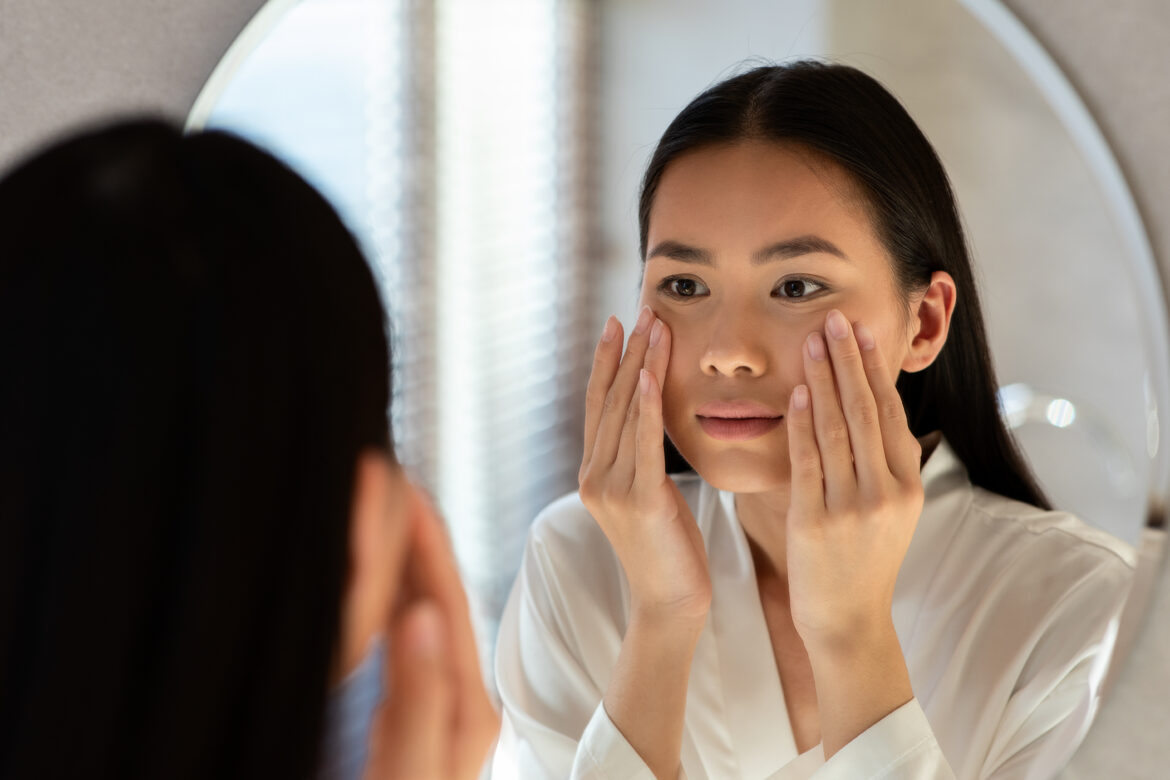
Active ingredients like retinol, vitamin C, and exfoliating acids get a lot of attention in skincare routines, and rightfully so. They resurface skin, boost collagen, fade discoloration, and keep breakouts at bay. But there’s a step that often gets overlooked in the excitement of building an active-packed routine: what you put on afterward. The moisturizer you choose after applying actives can determine whether your skin thrives or ends up irritated, dry, and inflamed.
Why Your Post-Active Moisturizer Matters So Much
Active ingredients work by creating change at the cellular level. Retinoids speed up cell turnover. Acids dissolve the bonds between dead skin cells. Vitamin C, in its many forms, can be unstable and slightly acidic itself. All of this activity, while beneficial long-term, temporarily compromises your skin barrier. That barrier is the thin outer layer responsible for locking in moisture and keeping out irritants.
When the barrier is weakened, skin becomes more prone to transepidermal water loss, redness, and sensitivity. This is exactly why the moisturizer layered on top of your actives isn’t just an afterthought. It’s the step that determines whether your skin can tolerate that active ingredient long enough to actually benefit from it.
Look for Ceramide-Rich Formulas
Ceramides are lipids that occur naturally in skin, and they make up a significant portion of the barrier itself. After using an active ingredient, replenishing these lipids helps rebuild what’s been temporarily disrupted. A moisturizer with ceramides acts almost like mortar between bricks, filling in gaps and reinforcing the skin’s defenses.
This matters most for anyone using retinoids or exfoliating acids, since these ingredients directly affect the outer layers of skin. A ceramide-based cream won’t interfere with how actives work; instead, it supports the skin so irritation doesn’t derail your routine altogether.
Prioritize Humectants for Hydration
Alongside ceramides, humectant ingredients like glycerin, hyaluronic acid, and panthenol pull water into the skin and help it stay there. Actives can leave skin feeling tight or parched, and humectants counteract that by drawing moisture from the environment and deeper skin layers.
A moisturizer that combines humectants with barrier-supporting lipids tends to offer the most balanced results. The humectants hydrate, while the ceramides and fatty acids seal that hydration in. Together, they create a cushioning effect that makes actives more tolerable.
Skip Additional Actives in Your Moisturizer
It might seem efficient to layer more active ingredients through your moisturizer, but this often backfires. If you’re already using a retinoid or acid, choosing a moisturizer with additional exfoliants, fragrance, or high concentrations of other actives can push your skin past its tolerance threshold.
Instead, treat your post-active moisturizer as a recovery step. Its job is to soothe and hydrate, not to introduce more potential irritants. Save the actives for your serums and treatments, and let your moisturizer focus purely on comfort and repair.
Consider Texture Based on Your Skin Type
The right texture matters as much as the ingredient list. Those with oilier skin might gravitate toward a gel-cream that hydrates without feeling heavy, while drier skin types often need a richer cream to prevent flakiness and discomfort, especially after using drying actives like benzoyl peroxide or high-percentage acids.
Regardless of texture, look for formulas labeled as fragrance-free and non-comedogenic. These qualities reduce the risk of additional irritation while you’re already asking your skin to adjust to active ingredients.
Timing Matters Too
Applying moisturizer immediately after actives isn’t always the best approach. Some people benefit from waiting a few minutes to let the active fully absorb before sealing it in. Others, particularly those with sensitive skin, prefer the “sandwich method,” applying a light layer of moisturizer before the active and another layer after. This buffers the skin without diluting the active ingredient’s effectiveness.
There’s no single right answer here. It depends on your skin’s sensitivity and how it responds to specific ingredients. Paying attention to how your skin feels the next morning is often the best guide for adjusting your routine.
Building a Routine That Lasts
Choosing the right moisturizer after active ingredients isn’t about finding a trendy product. It’s about understanding what your skin needs to recover and stay resilient while benefiting from powerful ingredients. Ceramides, humectants, and a texture suited to your skin type all play a part in making sure your active ingredients can do their job without compromising your barrier.
Skincare works best as a system, not a collection of isolated steps. When your moisturizer is chosen with the same intention as your actives, your entire routine becomes more effective, and your skin has a much better chance of showing it.