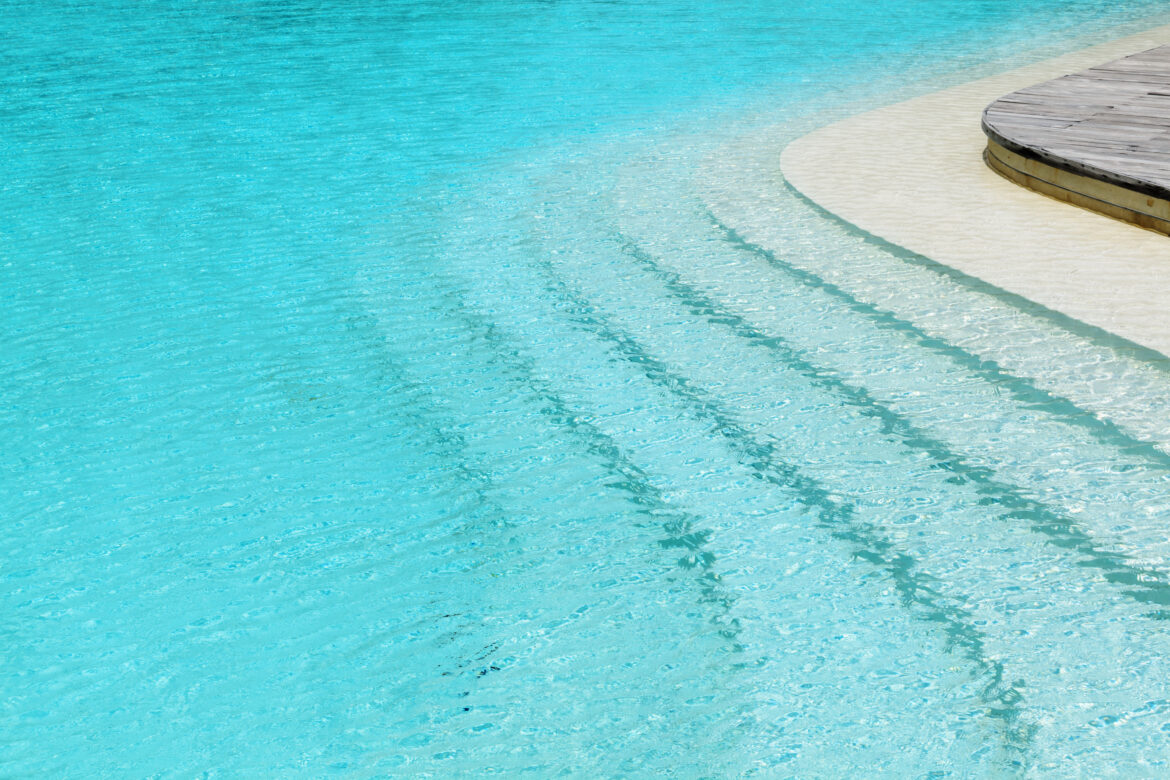
Pool coping is the finishing edge that caps the shell of your pool, and it does more work than most homeowners realize. Beyond framing the water’s edge, coping protects the structure underneath, keeps water from seeping behind the pool wall, and gives swimmers a comfortable, non-slip surface to grip when climbing out. Choosing the right material is one of the most important decisions you’ll make when building new pools, since it affects both the upfront cost and the long-term pool maintenance you’ll be signing up for.
Why Coping Matters More Than You Think
It’s easy to focus on tile, decking, and water features when planning a pool, but coping ties every element together visually while serving a structural purpose. The right coping style can make a small pool feel expansive or give a large pool a more intimate, finished look. Because it’s exposed to constant sun, splashing, and foot traffic, the material you choose needs to balance aesthetics with durability.
Popular Pool Coping Materials
Natural Stone
Materials like travertine, limestone, and flagstone are popular for their organic textures and varied color palettes. Natural stone stays relatively cool underfoot compared to darker materials, which is a major draw for anyone who swims during peak sun hours. It’s also naturally slip-resistant when honed or brushed. The tradeoff is cost—natural stone sits on the higher end of the pricing spectrum, and it may require periodic sealing to prevent staining or erosion over time.
Precast Concrete
Precast concrete coping is manufactured off-site in uniform shapes and sizes, then installed around the pool’s perimeter. It’s a budget-friendly option that mimics the look of stone or brick without the higher price tag. Precast pieces are consistent in color and shape, which appeals to homeowners who want a clean, uniform edge. It’s a solid middle-ground choice for those balancing style with practicality.
Poured-in-Place Concrete
This method involves forming and pouring concrete directly around the pool, allowing for custom shapes and curves that precast pieces can’t always achieve. It’s often finished with a textured or stamped pattern to improve grip and visual interest. Poured concrete tends to be more affordable than natural stone, though it may require more frequent maintenance to address cracking or fading over the years.
Brick
Brick coping brings a classic, warm aesthetic that pairs beautifully with traditional or colonial-style homes. It holds up well structurally and offers decent slip resistance, especially when the surface has a slight texture. Brick sits in a moderate price range, though installation labor can add up given the detailed placement required for a clean, symmetrical look.
Pavers
Concrete or stone pavers are a versatile option, available in countless shapes, colors, and patterns. They’re relatively easy to install and replace individually if damage occurs, which is a practical advantage for long-term upkeep. Pavers tend to be moderately priced and offer a nice balance between customization and affordability.
What Each Option Typically Costs
Pricing for pool coping varies widely depending on material, region, and design complexity, but here’s a general breakdown:
- Precast concrete: Most affordable, ideal for budget-conscious builds
- Pavers: Mid-range pricing with strong design flexibility
- Brick: Mid-range, with higher labor costs due to detailed installation
- Poured-in-place concrete: Mid-range, cost increases with custom shapes
- Natural stone: Premium pricing, reflecting durability and visual appeal
Keep in mind that installation costs, coping thickness, and edge profile (such as bullnose or cantilevered edges) can shift these numbers significantly.
Matching Coping to Your Pool’s Style
Modern pools often pair well with clean-lined pavers or honed natural stone for a sleek, contemporary feel. Traditional or Mediterranean-style backyards tend to lean toward brick or travertine for warmth and texture. If you’re aiming for a naturalistic, lagoon-style pool, irregular flagstone can help blur the line between the water and surrounding landscape.
Final Thoughts on Choosing Coping
There’s no single “best” coping material—only the best fit for your budget, climate, and design vision. Homeowners investing in new pools should weigh not just the upfront installation cost, but also how each material holds up over time and what kind of pool maintenance it will demand. Taking the time to compare options now will save you from costly replacements or repairs down the road, and it ensures your pool’s edge looks as good as the water it surrounds.