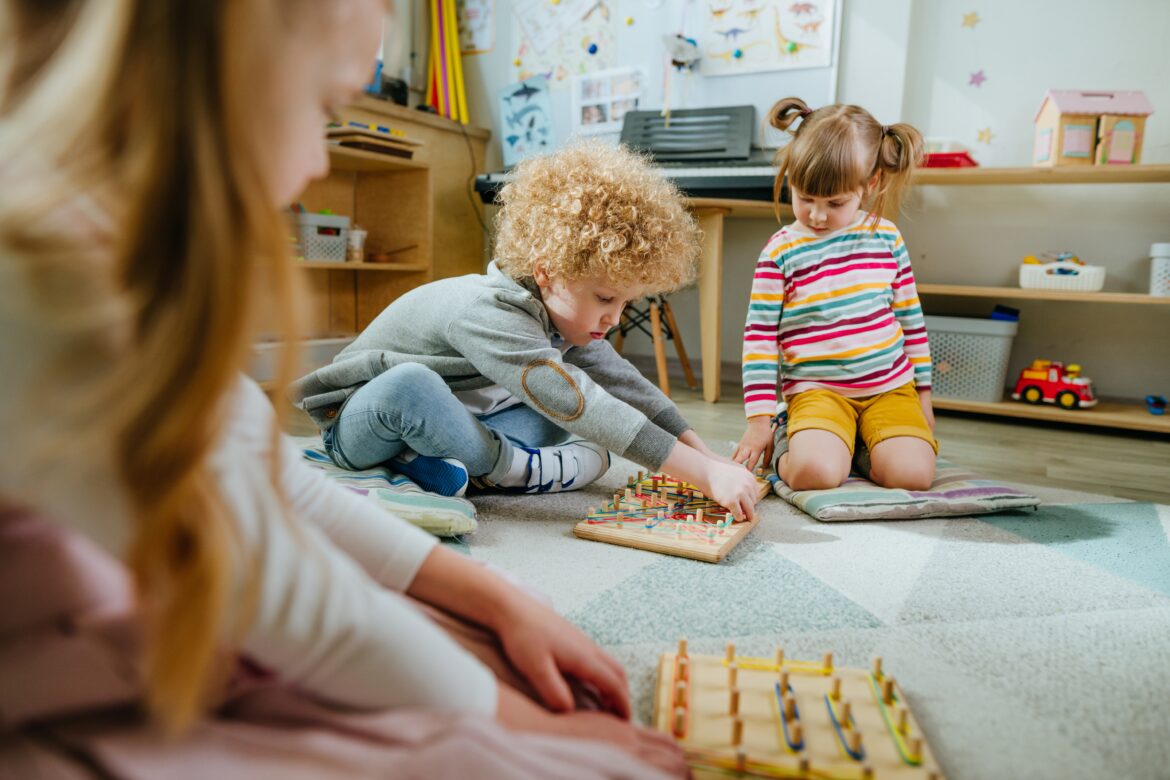
The hours right after school can feel like a pressure cooker. Kids walk through the door carrying a full day of learning, socializing, and following rules, and that mental load has to go somewhere. For many families, it comes out as meltdowns, snapping, or a flat refusal to talk about anything. Building a calm after-school routine isn’t about controlling your child’s mood. It’s about creating the right conditions for their nervous system to settle so the rest of the evening can actually work.
Understand What’s Really Happening
Before building a routine, it helps to understand why the after-school window is so hard. Young children spend the entire school day regulating themselves: sitting still, sharing attention, following instructions, managing friendships. That takes enormous energy. By the time they get home, many kids have nothing left in the tank for self-control. This is sometimes called “restraint collapse,” and it explains why the sweetest kid at school can turn into a puddle of tears or frustration the moment they see a trusted adult.
Start With a Buffer, Not a Debrief
Many parents instinctively ask about the school day the second their child gets in the car or through the door. Well-meaning as it is, this often backfires. Kids need a buffer period before they can process and talk. Instead of leading with questions, try leading with quiet presence. A snack, a hug, or even a few minutes of silence in the car can do more than any conversation. Save the “how was your day” talk for later, once your child has had time to decompress. When you do ask, open-ended prompts like “tell me one funny thing that happened” tend to get better responses than a general “how was school.”
Build Predictable Steps Into the Routine
Predictability is one of the most powerful calming tools available to young children. When kids know what happens next, their brains don’t have to work as hard to feel secure. Consider creating a simple, repeatable sequence: arrive home, have a snack, get some downtime, then move into homework or activities, followed by free play or family time before dinner. The exact order matters less than the consistency. Over time, children start to anticipate each step, which reduces resistance and negotiation.
Protect Downtime Like It’s Non-Negotiable
It’s tempting to fill after-school hours with enrichment: tutoring, sports, music lessons. All valuable, but young children also need unstructured time to simply exist without a task attached. Downtime allows the nervous system to reset after a day of structured demands. This doesn’t need to be screen time, though a little is fine. It can be quiet play, building with blocks, drawing, or just lying on the floor doing nothing in particular. Protecting even fifteen to twenty minutes of true downtime before jumping into homework or activities often makes the rest of the routine go more smoothly.
Keep the Environment Calm, Too
Kids pick up on the emotional tone of their environment more than the words being said. If the house is chaotic, loud, or rushed, it’s hard for a child to settle no matter how well-designed the routine is. Simple adjustments help: dim harsh lighting, lower background noise, and avoid rushing between activities. Your own state matters as well. Taking a breath before your child walks through the door, and greeting them with a calm tone rather than a barrage of instructions, sets the emotional temperature for everything that follows.
Expect Some Days to Fall Apart
Even the best-designed routine won’t work every single day, and that’s fine. Some afternoons will still end in tears or arguments, especially after a hard day at school or a poor night’s sleep. Treat these moments as information rather than failure. A consistently rough after-school period might mean a child needs more downtime, an earlier snack, or a schedule with less packed into it. Flexibility is part of a calm routine, not the opposite of it.
Building Toward Long-Term Calm
A calm after-school routine isn’t a fixed formula. It’s a rhythm you build gradually, adjusting as your child grows and their needs change. Early education research consistently points to the value of predictable environments and emotional regulation support for young learners, and the after-school hours are a prime opportunity to practice both. With patience and small consistent adjustments, those first chaotic minutes after the school bell can turn into some of the calmest, most connected parts of the day.