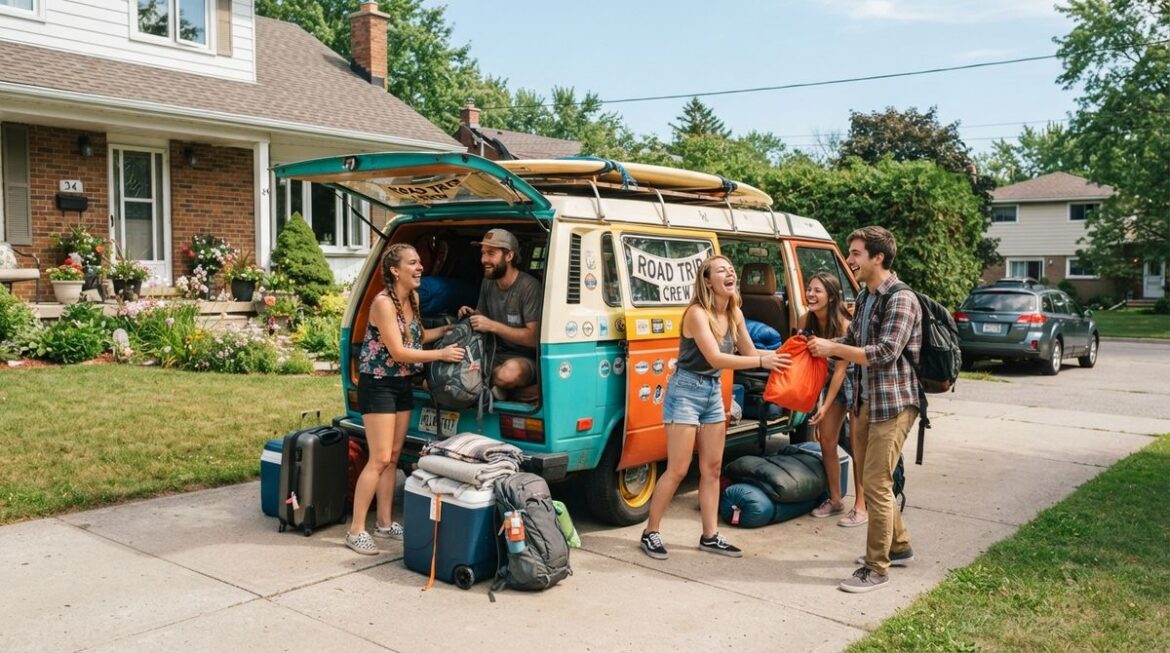
A family week at a campground can combine fresh air, shared meals, and visits to nearby gardens. Public gardens offer shady paths, seasonal blooms, and play areas that suit children of many ages. The right campground makes those outings easy, while the wrong one leaves everyone driving far too much.
Planning begins with understanding what the family wants from the week. Some groups prefer quiet mornings in a botanical setting, while others want active afternoons with hikes and swimming. This article covers site features, distance to gardens, and simple checks that help a campground match the trip.
Deciding What the Family Wants From the Trip
Talk with everyone before choosing a destination. Younger children may need a short walk, a playground, and frequent snacks, while teenagers might prefer independent exploration. Parents may want a quiet evening with a book or a chance to read the garden guide. Writing the priorities on one sheet keeps the search focused.
Readers may also want to visit Sirtfood Diet. Those descriptions help you estimate how long each visit will take. Choose two or three gardens that fit the family’s interests rather than trying to see everything. A relaxed list leaves time for rest and spontaneous detours.
Comparing Campground Features
Look for a campground with shaded sites, clean washrooms, and a play area close to the tent or trailer spots. Check whether the site allows fires, bikes, or pets if those matter to the family. Read recent guest comments about noise levels and cleanliness, but treat them as personal impressions rather than certainties. A map of the grounds helps you see how far the walk to the bathroom will be at night.
You can also visit Meadow View Sugar House for more reading. Those guides often include a simple checklist of questions to ask the office before booking. Use the checklist to avoid surprises once the family arrives. Calling ahead can also clarify quiet hours and parking.
Checking Distance and Travel Time
Measure the drive from the campground to each garden and note the time at the hour you plan to travel. Morning traffic and weekend crowds can turn a short trip into a long wait. For a related read on this site, see Reading a Scholarship Repayment Clause Before Accepting Funds. Choose a campground within a comfortable drive of at least two gardens so the schedule has flexibility.
Consider the cost of fuel and parking as well. A slightly more distant campground may offer better amenities but require more driving each day. Keep a rough plan for each day so that the drive feels like part of the fun rather than a burden. Shorter legs also leave more energy for walking inside the gardens.
Packing for Garden Days and Campsite Life
Pack sun protection, refillable water bottles, and light rain gear, since weather can change quickly near open paths. Bring a small first aid kit and a sealed container for snacks that attract insects. Comfortable shoes matter more than fashion on long walks through gravel and grass. A lightweight daypack keeps hands free for children and camera gear.
Include a simple journal or sketchbook for children who want to record what they see. Many families find that drawing a plant or noting a bird makes the garden visit more memorable. Keep the pack light enough for quick trips from the campsite to the gate. A small folding seat can be a welcome addition on longer days.
Turning Gardens Into Family Memories
Plan one slow visit that focuses on observation rather than covering ground. Ask children to find their favorite color, smell, or insect in the garden. These small challenges create conversation and a shared sense of discovery. Parents often notice more when they slow down too.
Make time for rest and free play. Shaded picnic spots and quiet benches give everyone a break from walking. A relaxed pace often leaves the best impressions. Save a few minutes at the end of each day to talk about the highlights.
Making the Week Fit Everyone
A campground near public gardens works best when it matches the family’s pace, interests, and budget. A little research before booking keeps the drive short and the days full of discovery. With thoughtful planning, the week can become a shared memory that children and adults talk about for years.