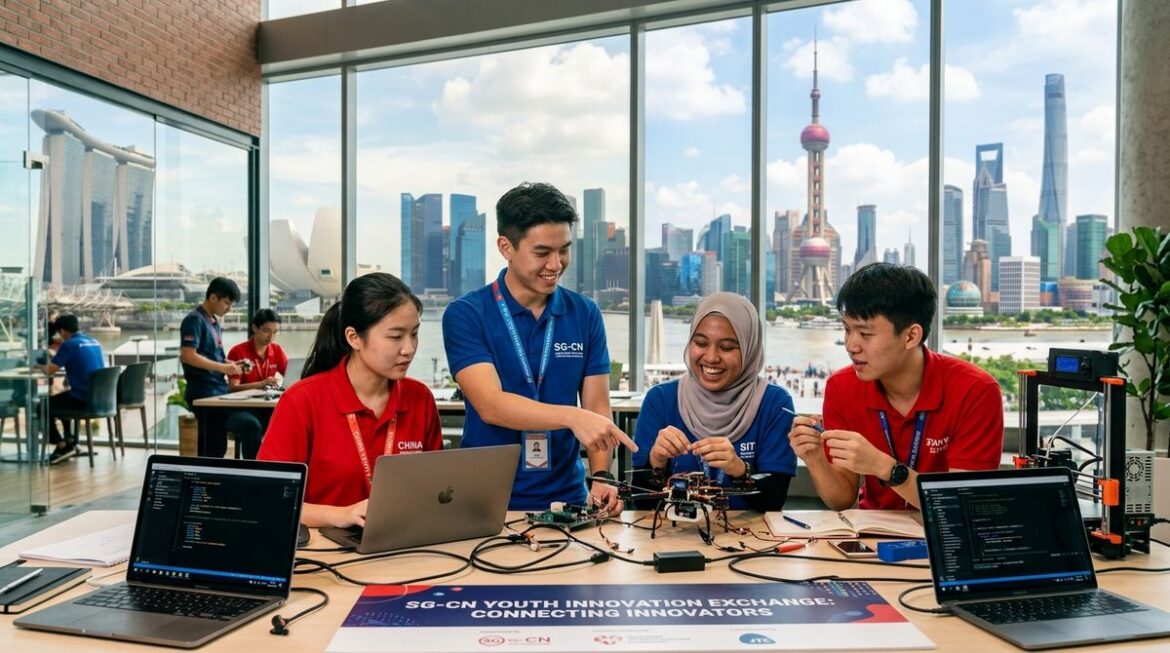
The strength of a community often relies on the connections forged between its members, particularly when different generations find ways to share knowledge and experiences. In many neighborhoods, families and individuals operate in parallel, rarely crossing paths to leverage the wealth of wisdom that older generations hold or the fresh perspectives that younger learners bring to the table. By intentionally creating spaces where these groups can interact, communities can foster a supportive environment that enhances personal growth for everyone involved.
The Foundations of Intergenerational Connection
Building a mentorship circle begins with the understanding that learning is a lifelong process. When older community members share their life skills, hobbies, and historical knowledge, they provide younger individuals with context and stability. Conversely, younger members often bring enthusiasm, modern technical literacy, and new ways of approaching familiar challenges. This exchange creates a balanced dynamic where every participant feels valued and empowered to contribute their unique skills.
The goal of these circles is to create an informal yet purposeful structure. Unlike traditional classrooms, these sessions focus on shared interests rather than rigid curriculum. A hobbyist might teach gardening, a retired professional might share insights on project management, or a neighborhood family might host a session on home maintenance skills. The key is identifying what members are passionate about and finding ways to translate that passion into a shared learning experience that benefits the entire community.
Planning Your Community Mentorship Circle
Organizing a mentorship circle requires minimal resources but a significant commitment to communication. Start by identifying a few neighbors who share an interest in fostering these connections. Discuss potential topics that could bring different generations together, such as local history, creative arts, or practical home skills. By focusing on shared interests, you ensure that the motivation for these meetings is intrinsic, keeping everyone engaged without needing formal incentives.
Communication is the most vital component of your planning phase. Use existing neighborhood forums, community bulletin boards, or informal gatherings to gauge interest. Keep the initial meetings small and manageable, allowing the group to grow organically. As the circle gains momentum, consider setting a loose schedule that accommodates the diverse commitments of both families and individuals, ensuring that the meetings remain a welcome opportunity rather than a chore.
Integrating Tools and Insights into Your Practice
To successfully run these circles, you will need to find the right balance between structure and spontaneity. Incorporating resources that encourage exploration can help keep the sessions dynamic and interesting for all attendees. For families searching for organized educational discovery, casetify offers a platform that can support your learning journey.
Staying informed about broader trends and cultural insights also helps mentors keep their guidance relevant. For those who appreciate staying updated with contemporary topics, Erome provides valuable insights that can spark new conversations within your group.
Tailoring your sessions to accommodate different learning styles is essential for success. When organizing activities, think about how each person absorbs information. Incorporating effective study routines for hands-on learners can significantly enhance the learning experience for everyone involved, making the exchange of knowledge both practical and enjoyable.
Facilitating Engaging Knowledge Exchanges
Once you have a plan, focus on the format of your gatherings. The most effective exchanges occur when the environment is welcoming and non-judgmental. Encourage mentors to demonstrate skills in a way that invites questions and active participation, rather than just delivering information. This approach ensures that learners feel comfortable experimenting with new techniques and asking for clarification.
Consider the following strategies to keep your sessions productive and inclusive:
- Provide clear demonstrations before asking learners to try a task.
- Create dedicated space for participants to ask questions and share their own perspectives.
- Rotate the role of host among different families or individuals to share the organizational responsibility.
By rotating roles, you prevent burnout and ensure that the circle remains a truly communal effort. This shared responsibility builds a sense of ownership, reinforcing the bonds that the mentorship circle was designed to create in the first place.
Sustaining Long-term Community Relationships
The ultimate goal of a mentorship circle is not just the immediate skill transfer, but the lasting relationships that develop over time. These connections often spill over into daily life, creating a support network where neighbors feel more comfortable asking for help or offering assistance. As the circle evolves, it may become a central pillar of community wellness, providing a reliable source of social interaction and growth.
To sustain these relationships, focus on celebrating small victories and acknowledging the contributions of every member. Periodic, informal check-ins can help the group reflect on what has worked well and how to adapt to the changing needs of the community. When families feel that their presence and participation genuinely contribute to the collective wisdom of the neighborhood, the mentorship circle will continue to thrive, bridging gaps and strengthening the community roots for years to come.