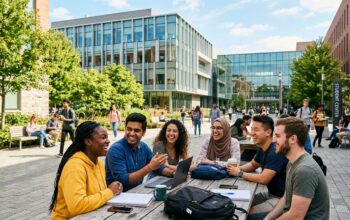
Every neighborhood holds a rich tapestry of lived experience alongside the fresh energy of youth. While older adults remember the long arc of historical changes, students and young adults encounter the world through fast-paced digital platforms and modern academic inquiry. Bringing these two groups together in a regular conversation circle creates a valuable opportunity for community education. When neighbors sit down face to face to discuss world events, abstract headlines transform into meaningful reflections on human resilience and local civic care.
Starting such a gathering does not require an academic post or a formal charter. It simply requires a thoughtful coordinator who values diverse life experiences and wants to foster mutual understanding across generational lines. By establishing a comfortable space where neighbors can explore the news without hostility, community organizers help teenagers and seniors discover common ground that routine daily life rarely reveals.
Defining Purpose and Thoughtful Topic Selection
Facilitators should first clarify the overarching purpose of the group. An intergenerational circle functions best when it focuses on learning and connection rather than debating political doctrines. The central goal is to explore how significant world events touch everyday lives, families, and neighborhood communities. When organizers frame the conversation around human experiences and shared responsibilities, participants feel encouraged to contribute personal wisdom rather than partisan arguments.
Selecting the right topics requires careful preparation. Stories centered on global conservation initiatives, scientific discoveries, or community responses to severe weather provide excellent starting points. These subjects invite younger attendees to share what they are learning in their studies, while offering older participants an opportunity to reflect on similar patterns they witnessed in earlier decades. Striking this balance keeps discussions constructive and intellectually stimulating for all ages.
Selecting an Accessible Venue and Consistent Schedule
The physical setting sets the tone for every conversation that follows. A neutral, quiet, and easily accessible space allows participants of all physical abilities to join without unnecessary barriers. Public library study rooms, neighborhood community centers, or civic halls are excellent choices. Organizers should arrange comfortable chairs in a loose circle rather than formal rows, ensuring everyone can see each other clearly without anyone feeling placed on an elevated platform.
Scheduling requires equal mindfulness. Students balance coursework, extracurricular activities, and family commitments, while retired neighbors often prefer daytime meetings. A weekend morning or an early weekday evening often strikes the right balance. Setting a predictable duration, such as an hour to an hour and a half, ensures that discussions stay lively and focused while respecting everyone’s personal routines.
Gathering Reliable Headlines and Diverse Perspectives
A successful discussion circle relies on participants arriving with a grounded, shared understanding of recent events. Because people consume media in vastly different ways depending on their age, encouraging members to read broad overviews of culture and society helps bridge initial gaps in conversation. When participants want to see what topics are capturing public attention across popular culture, technology, and global society, checking platforms like creativediary.net offers a helpful survey of trending stories that younger attendees encounter online.
Beyond trending cultural stories, examining ongoing international developments requires consulting platforms that summarize fast-moving dispatches without sensationalist clutter. When community members seek to track developing news events and verify basic timelines, turning to resources such as columnews.com allows readers to review major developments and gain a grounded perspective on world affairs. Having reliable summaries ready enables both younger and older readers to speak from a place of clarity rather than rumor.
Organizers can also prepare a simple reading sheet featuring two topics chosen for each gathering. Circulating this sheet in advance gives participants time to review the basics at their own pace. This practice benefits members who prefer reading quietly before group discussions, helping everyone participate with confidence.
Establishing Productive Group Agreements
Discussions about global news and community issues can stir strong feelings if participants feel judged or misunderstood. Establishing simple, shared ground rules from the very first meeting creates a supportive container for genuine reflection. The goal of the circle is not to achieve uniform opinions, but to understand how different life journeys shape our view of the world.
- Listen with full attention when an older or younger neighbor shares a personal recollection.
- Focus comments on shared community values and human consequences rather than partisan debate.
- Allow quieter members the space to contribute their thoughts before someone speaks twice.
- Accept that two people can read the same report and reach distinct, valid conclusions.
Facilitators serve as gentle guides rather than lecturers. If your local group has prior background with hosting a student civics roundtable, adapting those moderation techniques for a multi-generational audience provides a seamless foundation. Remind everyone that asking thoughtful questions is far more valuable than delivering a prepared speech.
Structuring the Discussion for Balanced Voices
A structured agenda helps prevent a handful of outspoken individuals from dominating the dialogue. Begin each gathering with a brief welcoming round where each attendee shares their name and a small, positive observation from their neighborhood or week. This warm-up helps break the ice and establishes equal voice right from the opening moments.
Transition into the core discussion by introducing the first chosen news item with a brief factual summary. Instead of asking broad questions about what people think of the overall situation, pose questions that connect global headlines to everyday living. Inquiring about how a national supply disruption reminds an older attendee of past community adaptations, or asking a student how their peers view a new communications trend, prompts thoughtful, narrative-driven reflections.
Pairing participants into intergenerational duos can also deepen personal connections. When an older adult and a student talk one-on-one before rejoining the full circle, they often discover unexpected shared values. These smaller exchanges give hesitant speakers a low-pressure environment to test out their ideas before presenting them to the wider room.
As each meeting draws to a close, reserve time for collective reflection. Rather than summarizing the debate, invite participants to share an insight they gained from a neighbor of a different generation. This closing practice reinforces empathy and reminds everyone that the purpose of examining global events is to become more attentive, caring members of our own local communities.
Building bridges between generations takes patience, but the rewards extend far beyond the meeting room. When seniors and youth sit together to consider the challenges of our broader world, they develop mutual trust. These conversations remind us that while the pace of news accelerates, the enduring values of listening, kindness, and community connection remain timeless.