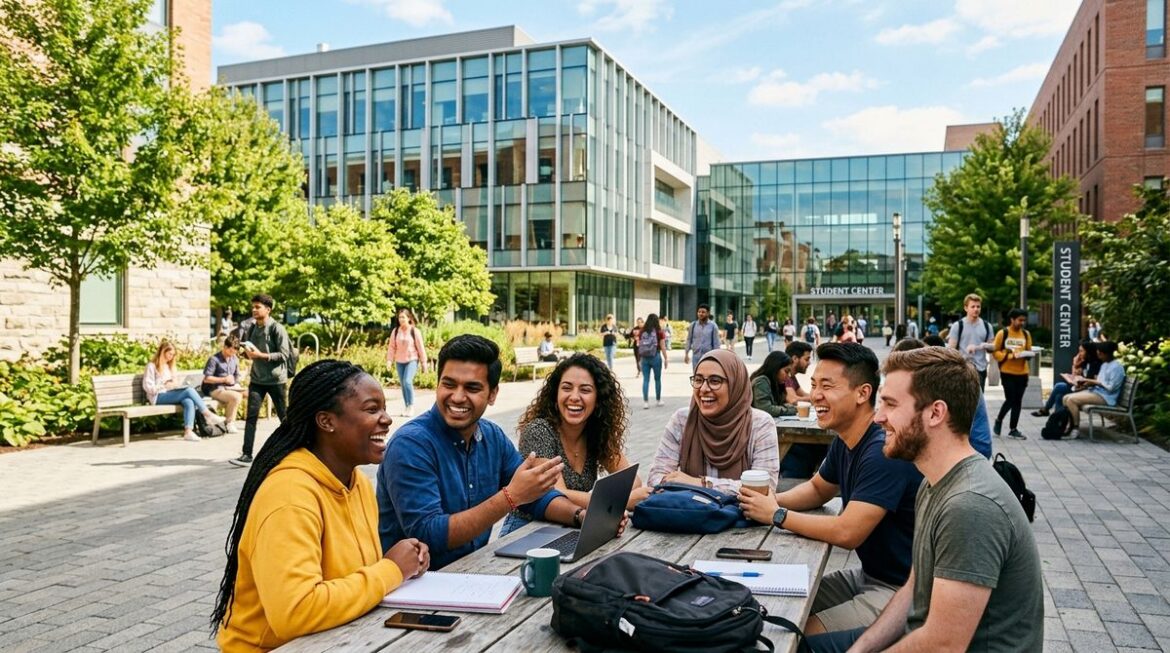
In a world where news moves rapidly across digital channels, young people frequently encounter brief, fragmented updates about international events on their personal devices. While adolescents often show deep curiosity about foreign affairs, diplomacy, and global commerce, their daily routines rarely provide a dedicated environment to explore those complex subjects in depth. Establishing a community civics roundtable gives teenagers a calm, constructive setting where they can examine international developments, hear diverse viewpoints, and practice thoughtful conversation alongside their peers.
A youth civics roundtable functions best as an extracurricular, community-oriented gathering rather than an extension of formal classroom testing. When hosted in neighborhood venues such as public libraries, community halls, or youth recreation centers, the roundtable becomes a welcoming forum where participants feel respected and heard. Community educators, parents, and local volunteers can serve as supportive facilitators who guide the flow of conversation without imposing rigid conclusions, helping young adults build durable habits of inquiry, civic mindfulness, and respectful communication.
Defining the Scope and Purpose of the Roundtable
Before launching a discussion group, organizers should establish a clear educational purpose so that participants understand the purpose of each meeting. The objective of a civics roundtable is not to stage high-pressure competitive debates or force attendees into a single viewpoint. Instead, the focus remains on learning how international developments unfold, why different nations make specific policy decisions, and how global events influence everyday life across various societies.
Setting a manageable theme for each gathering prevents conversations from becoming too broad or chaotic. Rather than attempting to address all current headlines in a single evening, facilitators might center a monthly meeting on international logistics, cross-border environmental initiatives, or emerging consumer technologies. Providing a specific thematic focus allows young participants to review background materials beforehand, arrive with thoughtful questions, and participate with greater confidence.
Facilitators should also clarify that disagreement is a natural part of civic dialogue. When discussing complex foreign policies, participants will naturally bring different priorities and perspectives to the table. Framing differing opinions as an opportunity to examine an issue from multiple angles helps students move away from defensive debate tactics and toward collaborative problem-solving.
Selecting Balanced International Topics and Headlines
Choosing balanced, dependable source material is vital for supporting meaningful conversations among adolescents. Young learners often encounter sensationalized summaries on social media feeds that exaggerate conflict and leave out critical historical context. Facilitators can encourage attendees to read dedicated world news services and platforms such as airdemon.net to follow top headlines across international politics, technology, and business before attending each session.
Encouraging participants to consult multiple international outlets also reveals how cultural and geographic perspectives shape reporting. A policy change related to international trade might be evaluated primarily for its economic consequences in one nation, while another region focuses on its impact on local employment or domestic industry. Observing these variations helps teenagers realize that global situations are multidimensional and require thoughtful analysis rather than quick assumptions.
When preparing their talking points, participants should be guided to verify claims and consult reliable background information. As explored in our earlier feature on teaching students how to cross-reference facts, learning how to confirm claims across multiple independent records allows young speakers to feel grounded in their research. This verification habit ensures that meetings remain centered on dependable facts rather than rumors or viral hearsay.
Establishing Constructive Discussion Guidelines
Productive civic dialogue depends on shared community expectations that keep conversations constructive and civil. Because international topics frequently touch on sensitive ethical questions and cultural concerns, discussions can easily become tense if ground rules are absent. Outlining clear standards for speaking, listening, and asking questions ensures that every participant feels secure expressing their thoughts in front of others.
Mentors can draw inspiration from established deliberative models and structured communication practices on mariza.org to adopt proven best practices for neutral moderation and collaborative dialogue. Having clear guidelines in place allows the facilitator to redirect conversations gently whenever discussions drift away from constructive exchange.
At the beginning of each session, facilitators should review a simple list of conversational commitments with the group to maintain an orderly and respectful environment:
- Listen attentively to others without interrupting while they present their ideas.
- Support observations with credible reporting rather than personal assumptions or unverified claims.
- Critique ideas, policies, and institutional actions thoughtfully rather than attacking fellow participants.
- Acknowledge differing viewpoints with curiosity before offering an alternative perspective.
Keeping these agreements visible in the meeting room provides a gentle reminder of the group’s shared goals. When teenagers observe that their peers adhere to these standards, quieter participants feel much more comfortable speaking up, knowing that their contributions will be received with patience and respect.
Structuring the Gathering for Balanced Participation
A predictable, consistent schedule keeps roundtable meetings organized and prevents vocal individuals from dominating the dialogue. Dividing the session into clear segments allows students to prepare mentally for each phase of the conversation. This balanced approach helps reduce nervousness for new attendees who might find public speaking intimidating.
Start the meeting with a brief introductory round where each participant mentions an international topic or development that caught their interest during the week, offering a sentence or two explaining why it seemed noteworthy. This simple exercise ensures that every voice is heard in the room early, breaking the ice and encouraging active participation throughout the rest of the gathering.
Following the opening round, transition to the main topic of the day. Organizers can distribute a short briefing sheet or summarize a specific international development. Splitting participants into pairs or small circles for a brief discussion allows teenagers to articulate their initial thoughts in a lower-pressure setting before presenting them to the full group.
Bring the group back together for a facilitated open discussion where pairs share the themes and questions that emerged during their smaller conversations. The moderator can prompt participants to examine potential outcomes, identify trade-offs in public policies, and consider how different communities around the globe might be affected by the decisions under review.
Conclude the conversation segment with a brief reflection where participants highlight something new they learned or a perspective they had not previously considered. Emphasizing that modifying one’s view in response to fresh information is a positive outcome helps foster intellectual humility, an essential characteristic of thoughtful civic leadership.
Connecting Global Topics to Local Community Life
Discussions about foreign affairs become far more engaging for teenagers when they recognize the connections between distant events and their local community. An international conversation regarding global logistics, for instance, can shed light on how local grocery markets and neighborhood businesses receive goods. Similarly, discussing global environmental conservation can inspire young people to examine conservation efforts and energy habits in their own hometowns.
Community organizers can also invite local guest speakers whose backgrounds intersect with international themes. A municipal planner, a regional logistics coordinator, an immigrant business owner, or a volunteer from a local cultural organization can share practical stories that connect broad international developments to real human experiences, helping young learners understand the world beyond textbooks.
By offering a dedicated student civics roundtable, community members provide young people with an invaluable environment to develop critical thinking skills, global awareness, and articulate communication habits. These gatherings encourage teenagers to look beyond quick digital headlines, appreciate the complexity of global developments, and contribute constructively to their communities both today and in the future.