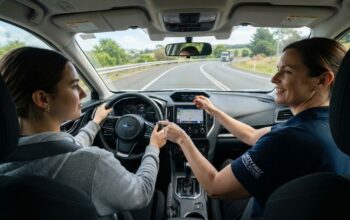
Stepping into adulthood brings fresh responsibilities, from attending lectures at a community college to starting an apprenticeship or reporting to a neighborhood job. Dependable transportation sits at the center of these milestones. Without reliable ways to travel, keeping regular hours and balancing obligations can quickly become stressful for young people. When families discuss practical transportation, they offer guidance that shapes personal discipline, time management, and everyday confidence.
Choosing how to navigate daily travel is rarely a uniform decision. Young commuters face diverse route conditions, neighborhood layouts, and personal preferences. Some require cargo space for work tools and study materials, while others prioritize nimble handling and easy parking on crowded streets. Engaging in open family conversations helps emerging adults evaluate options thoughtfully so they select transport suited to their lifestyle without creating unnecessary burdens.
Assessing Daily Travel Needs and Route Conditions
The initial step in selecting practical transportation is examining the actual routes a young adult travels each day. Commutes consisting primarily of quiet neighborhood streets require very different preparation than travel across busy highways or unpaved rural roads. Families should look closely at traffic flow during peak hours, pavement conditions, and secure parking availability near campuses or workplaces.
Weather patterns also play an essential role in route planning. In regions subject to heavy seasonal rain, icy mornings, or intense summer heat, vehicle capability directly impacts driver comfort and safety. Evaluating climate and route terrain together helps young adults recognize that practical transport must perform in real-world weather rather than ideal driving conditions.
Weighing Two-Wheel Agility Against Four-Wheel Utility
For many young adults, personal transport sparks an interest in two-wheeled mobility. Motorcycles, scooters, and light motorbikes offer distinct advantages in busy areas, including agile maneuvering through dense traffic and effortless parking in compact spaces. They also appeal to personal identity, allowing emerging adults to express their individual style on the road. When exploring two-wheel models that match personal style and daily commuting needs, learners often turn to guides at martin-bike.com to compare options before making a decision.
However, two-wheel commuting requires dedicated personal discipline. Riders must invest in protective gear, practice continuous hazard awareness, and accept that passenger capacity and cargo space remain limited. Families should consider whether carrying backpacks, rain gear, or heavy project materials will be practical throughout the entire academic term or work season.
In contrast, four-wheel vehicles provide enclosed comfort, space for passengers, and reliable shelter against sudden weather changes. A compact sedan or hatchback serves as a versatile resource capable of hauling groceries, study materials, or family members. Balancing the nimble appeal of two wheels with the all-weather convenience of a car allows young commuters to make an informed choice.
Keeping Up with Industry Developments and Maintenance
Selecting a vehicle is only the beginning of independent mobility; understanding routine care is what keeps that investment running smoothly. First-time owners often overlook how basic inspections prevent costly repairs down the road. Learning how to check fluid levels, monitor brake wear, and inspect tire tread should be treated as core life skills.
Broader automotive knowledge also empowers young adults when shopping for pre-owned models or discussing repairs with mechanics. Staying informed about vehicle updates, manufacturing standards, and ownership tips builds consumer confidence. Consulting automotive resources like motogprem.com gives young motorists access to automotive news, service guidance, and market insights so they can make well-informed decisions throughout their ownership journey.
Preventative upkeep also encourages environmental awareness and financial mindfulness. Clean filters, proper tire pressure, and timely oil replacements help any vehicle operate efficiently, reducing fuel waste and exhaust emissions. Taking pride in routine maintenance shows respect for community air quality and extends vehicle longevity.
Building an Essential Commuter Checklist for Beginners
Before embarking on regular solo commutes, young adults benefit from establishing a structured readiness routine. Walking through a simple inspection removes morning stress and builds composure. Families can review these essential preparations together so that safe habits become second nature.
- Inspect vital hardware, verifying that tires maintain proper tread and all headlights, brake lights, and turn signals operate correctly.
- Pack essential safety gear, including certified helmets and durable apparel for riders, or basic roadside emergency items for car drivers.
- Organize essential documentation, keeping current registration, insurance cards, and emergency contact details stored securely.
- Identify an alternate travel route to avoid unexpected delays caused by neighborhood roadwork or changing weather conditions.
- Establish a regular check-in habit, letting family know when arriving safely after long trips or late evening shifts.
Reviewing these steps regularly transforms travel preparation into an intuitive discipline. Instead of rushing out unprepared, young commuters approach each trip with confidence and clear awareness, ready to handle changing road conditions calmly.
Connecting Daily Travel to Broader Family Mobility
A young adult’s commuting habits reflect the values observed over years of family travel. Long before a young person takes the handlebars or wheel, they notice how older family members navigate intersections, manage unexpected delays, and practice road courtesy. Positive role modeling creates a strong foundation for calm, responsible decision-making on public streets.
Family travel also provides an ideal setting for learning about route planning and vehicle reliability. Trips to educational landmarks or regional volunteer activities give emerging adults real-world experience with travel readiness. Families seeking to strengthen these foundational habits can explore our guide on reliable family transportation for educational trips to discover practical ways of turning shared journeys into meaningful learning moments.
When household members share vehicles or coordinate transit schedules, clear communication becomes essential. Agreements regarding fuel contributions, cleaning duties, and shared schedules prevent misunderstandings. Treating family vehicles as a shared community resource teaches youth how to cooperate and respect collective property.
Fostering Community Responsibility and Road Courtesy
Operating a vehicle on public roads is fundamentally a social contract between neighbors. Every driver and rider shares the pavement with pedestrians, school buses, delivery couriers, and cyclists. Young commuters who view themselves as community members rather than isolated travelers help make neighborhood streets safer and more welcoming for everyone.
Practicing road courtesy means giving space to vulnerable travelers, yielding gracefully at busy crosswalks, and avoiding aggressive maneuvers when running late. Respecting residential speed limits protects children playing nearby and minimizes noise around community spaces. When young adults prioritize patience, they demonstrate mature leadership that earns the trust of neighbors.
Independent commuting marks an exciting chapter in personal growth, unlocking new educational opportunities and deeper community participation. With thoughtful guidance from family mentors, careful assessment of daily travel needs, and a commitment to ongoing maintenance, young drivers and riders can navigate neighborhood streets with purpose, safety, and pride.