Educational road trips offer children a unique window into history, ecology, and civic life. Stepping outside conventional classroom walls to explore regional monuments, conservation reserves, and cultural institutions encourages a healthy sense of curiosity. When young learners connect textbook topics with real landscapes and local communities, lessons become memorable and engaging. Yet the foundation of any successful educational journey rests upon dependable, family-friendly transportation.
Choosing an automobile that supports extended excursions requires thoughtful planning. Parents must balance everyday school runs and grocery trips with the demands of long highway travel, fluctuating weather, and varying road surfaces. A practical vehicle provides a secure space where children can rest, study, and converse comfortably while in transit. By understanding how to select and care for an appropriate family conveyance, households can embark on educational tours with confidence and peace of mind.
Evaluating Vehicle Dimensions and Cabin Comfort
Long journeys demand an interior that accommodates more than just passenger seating. Children often bring books, project materials, field notebooks, and observation gear to make the most of their travels. Adequate head room, leg room, and flexible seating arrangements allow younger passengers to relax without feeling confined, which reduces fatigue and irritability during long driving stretches.
Cargo management is equally vital when planning trips centered on learning and discovery. Families frequently need room for sturdy luggage, picnic provisions, emergency kits, and outdoor equipment such as hiking boots or folding chairs. Vehicles with split-folding rear seats and underfloor storage compartments allow parents to adapt the cabin layout to suit changing trip requirements.
Finding a model that strikes the right balance between interior volume and exterior maneuverability often involves comparing multiple vehicle classes. For many buyers, navigating market choices without overspending is a major priority. Turning to dedicated automotive platforms like moto-champ.net can assist shoppers in identifying balanced choices that fit both travel ambitions and budget parameters, helping them secure dependable transport without financial strain.
Prioritizing Functional Safety and Vehicle Readiness
Safety considerations extend far beyond basic seat belts and airbags. A vehicle intended for extended family journeys should exhibit predictable handling, responsive braking, and excellent driver visibility in all directions. Wide windows and well-designed mirrors minimize blind spots, which helps drivers navigate unfamiliar regional roads, crowded parking areas at community events, and rural highways safely.
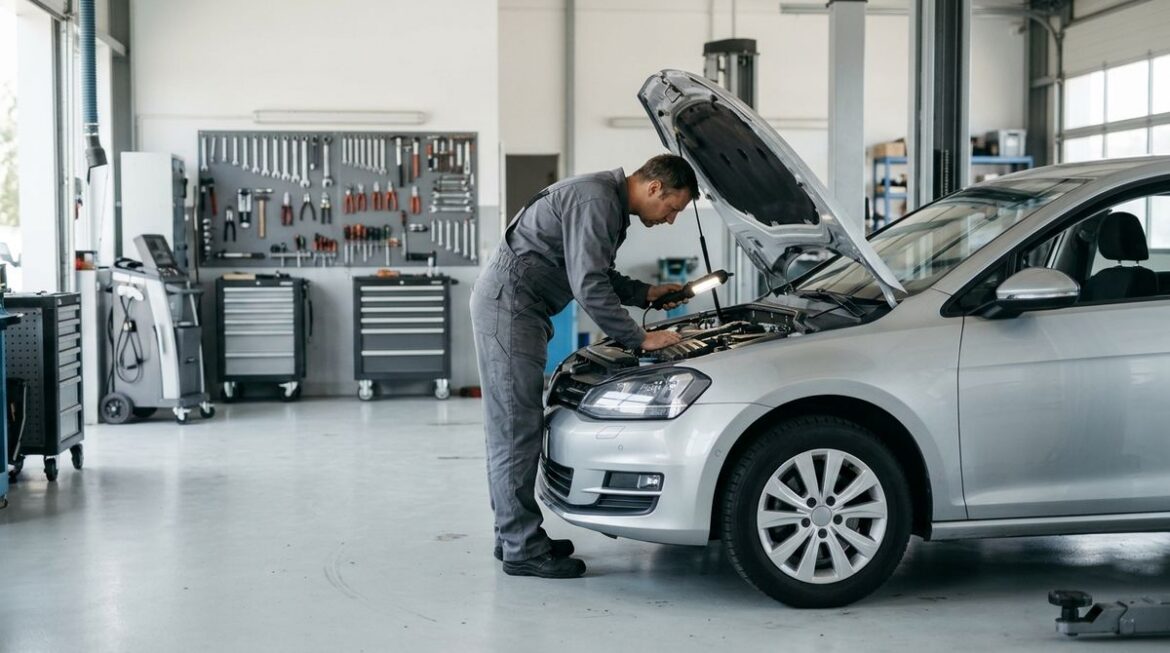
Routine vehicle readiness is the cornerstone of safe family travel. Before setting out on an excursion to a national historical park or regional nature center, parents should perform methodical inspections of tire pressure, fluid levels, wiper blades, and lighting systems. Addressing minor mechanical concerns early prevents roadside delays that can disrupt carefully planned educational itineraries.
In many instances, households choose to improve their current vehicle rather than purchase a replacement. Simple updates to illumination, tire quality, or cabin utility can dramatically increase long-distance dependability. For families evaluating such measures, reading about managing family vehicle upgrades for safety provides practical guidance on prioritizing changes that yield genuine improvements on the highway.
Practical Steps for Inspecting a Prospective Family Car
Whether examining a pre-owned vehicle or considering a new addition to the family garage, a thorough evaluation ensures that the vehicle meets the demands of regular community and educational use. Rushing through an inspection can lead to unexpected repair bills and compromised travel plans down the line.
Prospective buyers should take a systematic approach to assessing vehicle condition. Testing every seat mechanism, checking air conditioning and heating performance across all seating rows, and examining storage compartments help verify that the cabin will remain pleasant through every season. An organized evaluation helps families make a confident, well-informed choice.
When assessing candidate vehicles, keep the following practical steps in mind:
- Review past service records to confirm consistent oil changes, fluid flushes, and routine safety inspections.
- Test child safety seat latch systems and verify that rear seat belts fasten smoothly without snagging.
- Evaluate cabin ventilation and climate controls in both the front and rear compartments to ensure all passengers stay comfortable.
- Conduct a comprehensive test drive that includes local stop-and-go neighborhood streets, highway cruising, and steep inclines.
- Inspect the cargo hold to ensure it easily accommodates luggage, learning kits, and community donation boxes.
Taking the time to complete these checks helps parents avoid common pitfalls and secures a vehicle capable of serving family enrichment goals for years to come.
Designing a Tidy and Engaging Travel Environment
The interior of a family vehicle serves as a mobile classroom during educational outings. A cluttered, disordered cabin often leads to frustration and distraction, making it difficult for children to focus on route maps, reading assignments, or scenic landmarks. Organizing the interior with seat-back pockets, reusable trash receptacles, and divided storage bins encourages children to take ownership of their personal space.
Beyond cleanliness, the overall appeal and presentation of the vehicle play an important role in how passengers experience travel. A clean, fresh interior with comfortable seat covers, organized sunshades, and thoughtful styling details fosters a calming environment that children look forward to entering. Enhancing the cabin makes extended driving hours feel less like a chore and more like a shared family retreat.
Personalizing an automobile so that it remains both attractive and functional is an art in itself. Resources such as Monotukuru offer helpful tips on enhancing vehicle appeal and choosing practical designs that align with household needs, enabling drivers to create an inviting atmosphere that enriches every mile traveled.
Incorporating Educational Habits into Family Road Trips
A dependable vehicle provides the physical freedom to explore, but intentional family practices turn each trip into a rich learning opportunity. Involving children in route planning teaches geographic orientation, map reading, and distance estimation. Parents can assign age-appropriate navigation tasks, such as tracking landmarks or noting regional changes in agriculture and architecture.
Family road trips also present wonderful moments for community engagement. Planning stops at local heritage museums, community gardens, or farmers markets allows children to interact with local residents and learn about regional traditions firsthand. These meaningful encounters cultivate social awareness and an enduring appreciation for diverse communities.
Equally valuable is encouraging children to maintain travel journals during rest stops. Writing down daily discoveries, sketching native wildlife observed along scenic byways, and collecting informational brochures reinforce literacy skills and personal reflection. By linking travel with intentional observation, families transform standard drives into rewarding educational milestones.
Investing time in selecting, preparing, and maintaining a capable family vehicle yields dividends far beyond simple transit. A comfortable, reliable automobile enables households to venture into new environments, support community initiatives, and nurture a lifelong love of learning in young minds. Through thoughtful vehicle care and deliberate trip planning, families create enduring pathways toward shared discovery, mutual respect, and lasting knowledge.