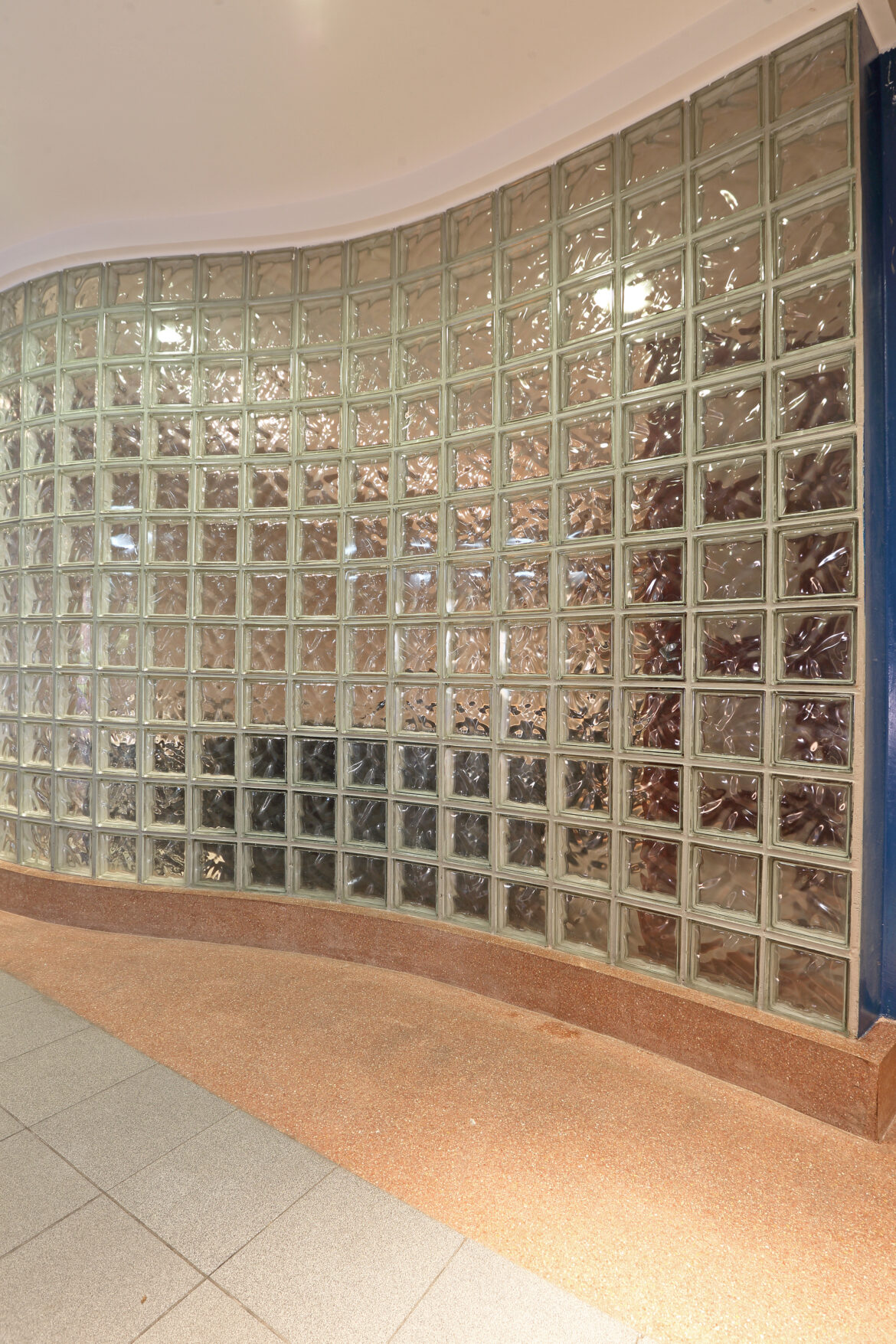
Glass block windows have become a popular choice for basement spaces, offering a blend of functionality and visual appeal that standard windows often can’t match. But like any architectural decision, they come with trade-offs worth understanding before you commit.
What Are Glass Block Windows?
Glass block windows are constructed from thick, hollow or solid glass units mortared together in a grid pattern. Originally an industrial design staple, they’ve found a natural home in residential basements where privacy, security, and light transmission all matter.
The Pros of Glass Block Windows in Basements
Natural Light Without Sacrificing Privacy
One of the biggest draws is their ability to let light filter through while obscuring the view from outside. For below-grade spaces, this is a genuine win — you get a brighter room without exposing your basement interior to passersby.
Security and Durability
Glass blocks are significantly harder to break than standard window glass. This makes them a strong deterrent against forced entry, which is a real concern for ground-level and basement openings.
Energy Efficiency
The thick construction provides solid insulation. When properly installed with quality mortar and sealant, glass block windows can outperform older single-pane windows in terms of thermal performance.
Moisture Resistance
Basements are prone to water infiltration. Glass block installations, when done correctly, create a near-impermeable barrier that resists moisture far better than many traditional window options.
Low Maintenance
There are no moving parts, no frames to rot, and no weatherstripping to replace. Once installed, they require minimal upkeep beyond occasional cleaning.
The Cons to Consider
Limited Ventilation
Traditional glass block windows don’t open. Unless you incorporate a ventilation block into the design, you lose the ability to naturally air out your basement — which matters for air quality and humidity control.
Difficult to Modify
Changing or removing glass block windows is labor-intensive. If your needs shift — say, you need an egress window for a bedroom conversion — the entire installation typically needs to come out.
Egress Compliance Issues
This is where many homeowners run into problems. If your basement is used or intended to be used as a sleeping area, building codes generally require at least one egress window that meets specific size and operability requirements. Standard glass block windows don’t qualify.
Aesthetic Limitations
The grid-like appearance suits some design styles but can feel dated or rigid in contemporary interiors. They offer little flexibility in terms of visual customization.
Building Codes and Glass Block Windows
Building codes vary by jurisdiction, but several consistent themes apply across most regions in the U.S.
Egress Requirements
The International Residential Code (IRC) specifies minimum opening dimensions for windows in sleeping rooms. Glass block windows typically cannot meet these requirements unless specifically designed with an openable vent panel. Always verify egress compliance before installation — especially if you plan to finish the basement as livable space.
Ventilation Standards
Some codes require a certain percentage of a room’s floor area to be provided by operable windows. Glass block installations may require supplemental mechanical ventilation to satisfy these requirements.
Permit and Inspection Requirements
Installing glass block windows almost always requires a building permit. Work done without one can create complications when selling your home or filing an insurance claim.
Is It the Right Choice for Your Basement?
Glass block windows make the most sense for utility spaces, laundry rooms, or mechanical areas where privacy and security outweigh the need for ventilation or egress. For finished living spaces or bedrooms, you’ll need to plan more carefully around code compliance.
Before installation, consult your local building department and work with a licensed contractor familiar with your area’s specific requirements. The right window choice depends on how your basement is used — and how you plan to use it in the future.