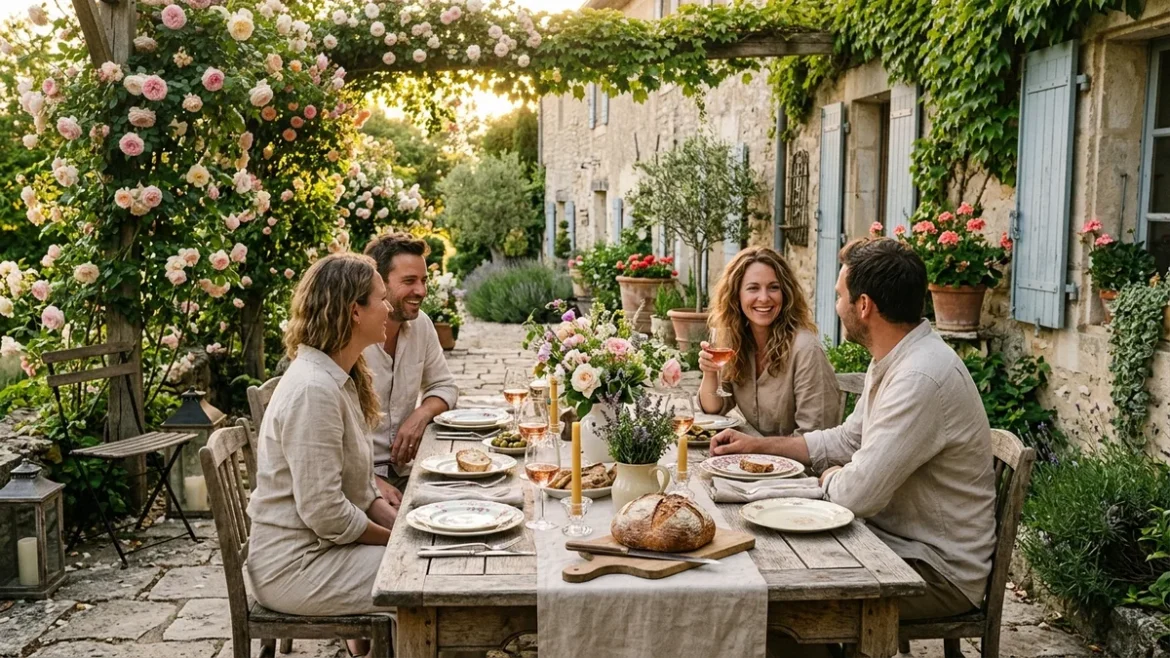
Strong families often grow out of shared experiences that challenge routine and encourage cooperation. When parents and children step away from digital devices and busy schedules, they create intentional space to communicate, learn from one another, and appreciate their surroundings. Meaningful education does not happen exclusively inside formal classrooms; it flourishes in backyard gardens, neighborhood walking paths, and journeys through unfamiliar environments. These varied settings encourage genuine curiosity and practical problem-solving.
Learning together as a household strengthens bonds and helps young people develop empathy, patience, and adaptability. By blending thoughtful household habits with outdoor exploration, families can establish traditions that support emotional and intellectual growth. Whether tending a small tomato patch or navigating a foreign coastline, every shared moment presents an opportunity to discuss stewardship, personal responsibility, and mutual respect.
Cultivating Meaningful Learning Through Everyday Home Habits
Family culture takes root in the home. The routines established each day shape how children perceive their environment, their capabilities, and their responsibilities to those around them. When children participate alongside adults in practical domestic tasks, they discover that every home relies on shared effort. Basic tasks such as preparing simple meals, tending a compost bin, or repairing household items teach children that hands-on labor carries real value and purpose.
Gardening and domestic projects are especially suited for developing patience and keen observation. Watching seeds germinate, grow, and yield produce provides a clear demonstration of how steady care produces tangible results. These projects also teach children how to handle setbacks gracefully, such as when weather damages seedlings or pests appear. Families do not require vast property to cultivate these connections; container gardens on a small porch or simple indoor herb pots offer rich learning opportunities.
Children who learn to care for small plants and domestic spaces naturally develop a broader appreciation for environmental stewardship. They begin to ask thoughtful questions about soil health, water conservation, and seasonal growth cycles. These early lessons in practical resourcefulness encourage children to view their household as an interconnected system where thoughtful actions have immediate effects.
For households seeking ideas on practical domestic projects and sustainable home living, exploring morninghomestead.com provides practical guidance on cultivating grounded family routines. Developing these everyday habits creates a reliable foundation, giving young learners the confidence to explore larger spaces with a healthy sense of curiosity and respect for their surroundings.
Expanding Horizons Through Mindful Travel and Outdoor Adventure
While home life provides stability and comfort, travel introduces families to fresh perspectives and unfamiliar terrain. Stepping away from familiar neighborhoods challenges everyone to adapt, cooperate, and remain flexible. When parents and children navigate new surroundings together, the traditional roles shift slightly, allowing everyone to learn side by side and discover solutions as a unified team.
Outdoor travel in particular provides rich sensory learning that textbooks cannot replicate. Walking through coastal forests, observing marine life in tide pools, or hiking mountain paths engages children on multiple levels. These environments prompt questions about geology, climate, and ecology while encouraging physical resilience. Navigating varied terrain, adjusting to unexpected rain, and carrying one’s own gear build genuine self-reliance in young adventurers.
Travel also exposes families to different ways of living and organizing communities. Seeing how coastal villages protect their natural harbors or how rural communities manage water supplies helps children understand the relationship between people and their local geography. These firsthand encounters make geographic and cultural concepts tangible rather than theoretical.
Organized excursions can be helpful when exploring complex or unfamiliar landscapes. When planning outdoor journeys that combine structured discovery with regional exploration, reviewing options on grenadajeeptours.com illustrates how guided excursions can help travelers safely navigate new landscapes while gaining direct insight into local terrain and natural landmarks. Experiencing vibrant landscapes with knowledgeable guides helps travelers of all ages appreciate both the beauty and the fragility of distinct environments.
Practical Steps for Hands-On Outdoor Education
Integrating experiential learning into family life does not require expensive gear or distant journeys. Parents can introduce simple, consistent practices that encourage children to observe, question, and care for the natural world. Regular engagement with nature close to home often has a more profound effect than infrequent, elaborate trips.
Families can begin with a few manageable activities designed to nurture observation and cooperative learning:
- Maintain a family nature notebook to record seasonal changes, bird sightings, and local foliage.
- Participate in community park cleanup mornings to practice direct civic stewardship.
- Take weekly screen-free walks along local trails to practice attentive listening and wildlife observation.
- Plan simple meals together using seasonal produce from a neighborhood farmers market or community garden.
These activities give young people active ownership of their learning. Instead of simply receiving facts, they participate directly in discovery. Over time, these small habits develop into a durable curiosity about how natural systems work and how human choices affect local ecosystems.
Fostering Curiosity and Community Empathy Across Generations
Both domestic projects and travel experiences offer valuable opportunities to discuss empathy and community connection. Children pay close attention to how adults interact with neighbors, service workers, and park rangers. Treating others with gratitude, listening attentively, and respecting local guidelines teach children how to navigate diverse social settings with kindness.
Venturing beyond one’s home community also highlights both human diversity and universal human needs. Visiting neighborhood markets, observing artisans at work, and learning about regional traditions foster open-minded curiosity. When children understand that people everywhere care for their families and communities, differences become opportunities for learning rather than sources of division.
Connecting these broader perspectives back to the local neighborhood completes the circle of learning. Families can volunteer at regional food distribution centers, support public library initiatives, or help maintain community green spaces. Participating in these local efforts shows children that contributing to the common good is an active, ongoing responsibility for every community member.
Integrating Adventure Lessons into Daily Family Life
The lasting value of outdoor exploration and family travel comes from how those experiences inform daily life. An adventurous trip or a fruitful garden harvest should not remain an isolated memory tucked away in photo albums. Thoughtful parents can intentionally weave the lessons learned during outdoor adventures back into regular household conversations and routines.
Reflecting on challenges encountered outdoors can provide comfort during academic or social struggles. Reminding a child of how they persevered on a steep walking trail or adapted when travel plans changed can reassure them during stressful moments at school. These shared memories become a durable source of confidence and family resilience.
Cultivating a meaningful family culture requires steady presence, shared curiosity, and a willingness to explore together. By nurturing intentional home habits, embracing outdoor discovery, and participating actively in community life, parents help their children grow into thoughtful, capable, and compassionate adults who value both their home roots and the wider world.