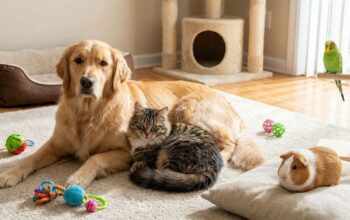
Bringing an animal into the family home creates a unique opportunity for growth and connection. When parents and children work together to meet the needs of a pet, they learn more than just basic care; they learn empathy, patience, and the value of contributing to a shared responsibility. This journey helps strengthen family bonds as everyone participates in the daily life of their animal companion, from providing comfort to ensuring the animal feels safe and understood.
Developing a family approach to pet care requires open communication and a clear understanding of what every living creature needs to thrive. It is not about perfect execution, but about the willingness to learn and adapt together. When children see their parents prioritize the well-being of the family pet, they adopt those same values, carrying them forward into their own interactions with peers and the broader community.
Building a Foundation of Shared Responsibility
The first step in integrating a pet into family life is recognizing that caretaking is a team effort. Even very young children can begin to understand that an animal relies on its human family for food, water, and affection. When responsibilities are shared, it reinforces the idea that every family member plays an essential role in maintaining a happy, healthy home environment. This shared duty moves the focus away from individual chores and toward a common goal of care and kindness.
Establishing these routines requires patience and guidance. Parents can start by modeling the necessary tasks, explaining why each action matters, and then gradually inviting children to help. This approach turns routine tasks into educational moments. For instance, explaining why an animal needs fresh water throughout the day helps children understand basic biological needs. When tasks are consistently fulfilled by all family members, it creates a sense of reliability and trust that benefits both the pet and the people in the home.
Understanding Individual Pet Needs
Every animal has specific requirements that change over time. Being a responsible pet owner means staying informed about these needs, whether they relate to diet, exercise, or mental stimulation. It is important to remember that what works for one pet may not work for another, and staying curious about your animal’s health and happiness is part of the long-term commitment. Families can find reliable guidance to better understand these nuances at drfoxvet.net where resources offer insights into daily care, helpful tips, and updates on maintaining a healthy lifestyle for your animal companion.
Educating children about these needs is a powerful way to teach critical thinking. Instead of simply following a schedule, children can learn to observe their pet’s behavior to identify signs of contentment or stress. This observation skill is invaluable, as it teaches children to look beyond their own immediate needs and consider the comfort and perspective of others. It also provides a practical application for learning how to be gentle and respectful, which are skills that translate well beyond the home.
Connecting Pets to Community Life
Pets often act as a bridge between a family and its neighborhood. Walking a dog, visiting a local park, or simply chatting with neighbors while spending time outside can open doors to new community interactions. When families prioritize these positive engagements, they contribute to a more welcoming and inclusive environment for everyone. If you are looking for ways to expand these connections and find inspiration for making your neighborhood more pet-friendly, engaging with existing community resources can provide actionable ideas and foster a stronger sense of local unity.
Participating in neighborhood activities with a pet also helps children see their role within the wider community. They learn that being a good neighbor means being mindful of public spaces, cleaning up after their pet, and ensuring their interactions are respectful to others. These small, daily actions teach children that they have a responsibility toward the shared spaces they use, fostering a sense of civic duty that will serve them well as they grow older.
Selecting Quality Care and Supplies
The choices a family makes regarding pet care supplies reflect their values. Choosing products that are thoughtfully made and promote a healthy lifestyle for your animal can make a significant difference in the pet’s daily experience. Families often find success when they support creators who share their commitment to animal well-being. For those exploring options that promote an all-natural approach, pet-select-shop.com showcases quality products from entrepreneurs dedicated to creating reliable solutions for pet parents.
When selecting supplies, involve the children in the decision-making process. This is an excellent opportunity to teach them how to evaluate products based on quality rather than impulse. Discuss why certain items are chosen and how they contribute to the pet’s health. This practice encourages children to think critically about the products they bring into their own lives and the impact those choices have on the environment and the animals they care for, building a foundation for thoughtful consumption.
Developing Consistent Care Routines
Consistency is the backbone of successful pet care. Animals thrive when they know what to expect from their day, and families benefit when there is a clear understanding of who is doing what and when. Creating a sustainable routine involves balancing the needs of the pet with the busy schedules of family members. A few simple practices can help keep everyone on the same page:
- Assign care tasks clearly among family members to ensure nothing is overlooked.
- Maintain a predictable schedule for feeding and exercise to help the pet feel secure.
- Create a central space for supplies to keep everything organized and accessible.
- Set aside time for quiet interaction and play, which strengthens the bond between the family and the pet.
As children mature, their involvement in these routines can increase, allowing them to take on more complex tasks. This evolution keeps them engaged and allows them to take genuine ownership of their responsibilities. By maintaining this steady approach, families create an environment where everyone feels valued and where the needs of the pet are met with care and consistency. This ongoing process of learning and adapting together is what truly makes a house a home, filled with compassion for all its members.
Ultimately, the effort invested in teaching children responsibility through pet care yields rewards that last a lifetime. These lessons are not learned overnight, but through the patient, daily practice of caring for another living being. By focusing on kindness, observation, and shared duty, families build strong foundations that allow children to grow into thoughtful, community-minded individuals, while enjoying the companionship and joy that a beloved family pet brings to daily life.