Summer road trips can be wonderful for families, but very hot weather turns an ordinary drive into a test of patience and planning. Cars trap heat quickly, children get restless in stuffy seats, and a delayed stop can leave everyone tired and irritable. With some preparation, you can keep the journey comfortable and safe. This guide walks through the steps that matter most before you pull out of the driveway.
Choosing the right departure time
Leaving early in the morning or later in the evening often makes the biggest difference. The hottest part of the day usually falls in the early afternoon, so a route that keeps you on the road during those hours can feel much harder than the same distance covered at dawn. Check the forecast for every place you will pass through, not only your starting point. Readers may also want to visit loranocarter.com. Mountain roads, open highways, and busy towns can have very different conditions, and a stop along the way may be far hotter than you expected.
Packing for heat on the road
Pack in a way that lets you reach essentials without digging through the whole vehicle. Keep a cooler with water, fruit, and simple snacks within easy reach, and freeze a few bottles the night before so they stay cold longer. Bring light cotton clothing for everyone, along with hats, a small towel, and a spare set of clothes for each child in case of spills. A small bag with wet wipes, sunscreen, and a basic first aid kit should sit near the front seat so it is never buried under luggage. It also helps to keep a small notebook in the car where everyone can write down the times of stops and water breaks, which makes it easier to track how much fluid each person has had over the day.
Keeping the car cool and the children comfortable
Before anyone climbs in, open the doors for a minute so the trapped hot air can escape. Use window shades on the side and rear windows, and switch on the air conditioning early rather than waiting until the cabin feels unbearable. Dark seats and metal buckles can become uncomfortable quickly, so a light cloth cover or a quick check with the back of your hand helps. Never leave a child, a pet, or an adult alone in a parked vehicle, even for a short errand, because temperatures inside can rise dangerously fast. Children should also be reminded not to touch hot door handles or seat belt buckles without asking first, since they can be surprisingly warm after a few minutes in direct sun. Taking a moment to check the seats before anyone sits down is a small habit that prevents a great deal of discomfort.
Building in rest stops that work
Plan breaks as if they were part of the route, not something you only add when someone complains. Short stops every couple of hours let children stretch, drink water, and cool down before the next stretch of driving. Choose places with shade, clean restrooms, and room to walk, such as a park, a shaded picnic area, or a library with air conditioning. Many parents find that a ten-minute walk to a nearby pond or playground resets the mood for everyone. You can also visit filmepenet.org for more reading.
Handling breakdowns and heat illness
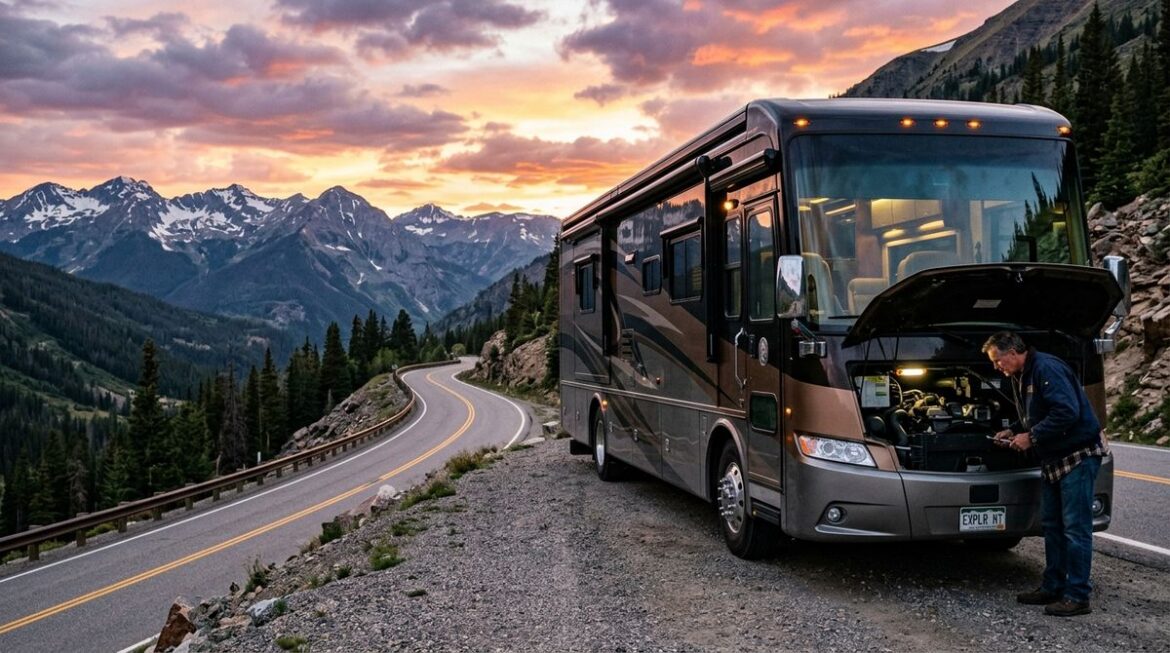
A breakdown on a hot day can become a serious problem quickly, so prepare for it before you leave. Keep a written list of roadside assistance numbers and make sure your phone is fully charged, with a backup battery if you have one. Carry extra water in the trunk in case you must wait outside for help. If anyone shows signs of heat illness, such as confusion, very hot and dry skin, vomiting, or fainting, move them into shade, cool the body gently, and seek medical help without delay. For a related read on this site, see Talking With Teenagers About Missed Lessons and Catch-Up.
Some mistakes come up again and again on summer trips. Keep these in mind when you draft your plan:
1. Relying on the car’s air conditioning alone without checking the coolant level and the cooling fan before departure.
2. Forgetting that fuel stations and restaurants can have crowded, hot waiting areas with little seating.
3. Packing perishable food without insulation, so it spoils well before lunchtime.
4. Scheduling tight timetables that leave no room for slow traffic, a bathroom emergency, or an unexpected rest.
A relaxed plan is usually a safer plan. When the route has room for breaks, the children have water and shade, and the car is ready for the heat, a long summer drive becomes a happy memory rather than an ordeal. If someone in the family has a health condition that makes heat more dangerous, speak with a doctor before you set out.