Why small reminders matter
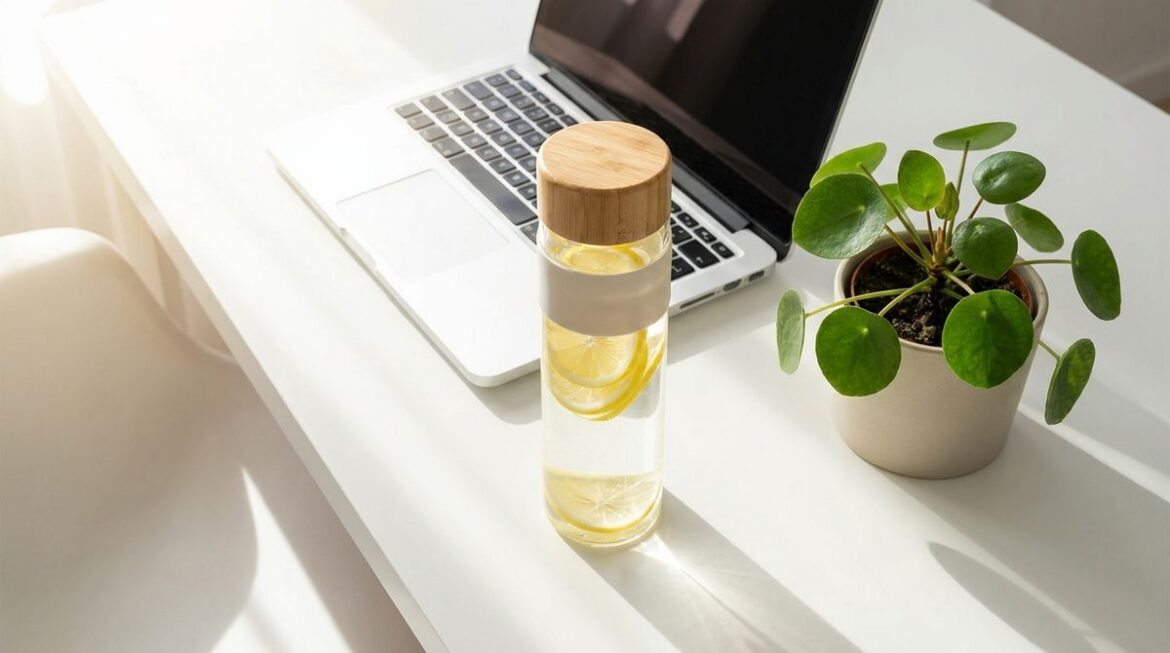
Many people mean to drink more water during the day but forget until the afternoon headache or the dry mouth arrives. A water bottle on the desk or kitchen counter is a simple visual reminder that works quietly in the background. General information about hydration suggests that everyday fluids are a normal part of a balanced routine, although individual needs vary with age, climate, activity and health conditions. Nobody needs to become perfect at this, only steadily more mindful.
The habit is not about drinking large amounts in one go. It is about sipping steadily through the day so the bottle is never empty for long. Thinking of the bottle as a companion rather than a chore can make the change feel gentle. People who keep a bottle within reach often notice they drink more without feeling they are trying very hard at all, and the effect builds quietly across the week as the routine takes hold.
Choosing a bottle you will want to use
The right bottle is the one you will actually carry. Consider its weight, size and how easy it is to clean. A bottle that fits in a bag or a coat pocket is more likely to travel with you than a large one that stays at home. Some people prefer a wide opening so ice and fruit slices fit easily, while others want a lid that closes firmly for travel. Test a few options before deciding, since comfort in the hand matters more than it seems at first glance.
Cleanliness deserves attention from the start. A bottle that is washed daily, dried fully and checked for a sour smell is far more pleasant to use. Follow the cleaning advice given by the maker, and replace any bottle with a damaged seal or a lid that no longer closes properly. A clean and appealing bottle makes drinking water feel like a small treat instead of a duty, and that feeling is often what keeps the habit going.
Attaching the habit to your day
Habits grow fastest when they are linked to something you already do. Fill the bottle when you make your morning drink, take a sip each time you finish a task, or refill it before leaving for work or school. Pair the sip with a moment that repeats, such as sitting down at a desk or starting a television episode. Within a week or two the link becomes automatic, and you stop needing to think about it at all.
Some simple routines help the habit settle:
- Fill the bottle first thing in the morning so it is ready to go.
- Keep a second bottle at work or in the car for days that run late.
- Take a short drink before each meal as a natural pause.
- Refill whenever you pass a tap or water fountain on your route.
Readers may also want to visit mycasesource.com. Many of these pages explain that thirst is a useful signal for most healthy adults, and they note that people with specific conditions may need individual advice. Reading a few of them can make the whole idea feel more manageable and less confusing.
Handling busy weeks and forgotten bottles
Even a good habit slips during a hectic week. A deadline, a family event or a change in routine can push the bottle out of mind. Rather than treating a missed day as a failure, notice it calmly and restart the next morning. The aim is steady progress over time, not a flawless record. Simply noticing the lapse is often enough to bring the habit back into the day.
Travel, exercise and hot weather can change how much fluid your body may want. On warm days or after physical activity, many people choose to sip more often. If you feel unusually thirsty, notice persistent tiredness, or have concerns about your fluid intake, speak with a doctor or pharmacist. They can offer advice that fits your situation, especially if you take medication or manage a long-term condition that affects how the body handles fluid.
Plain water can feel dull, which is one reason people reach for sweet drinks. Adding a few slices of cucumber, a sprig of mint or a squeeze of lemon can make the bottle more inviting. Try infusing a jug overnight in the fridge so the flavours mellow. Keep the additions simple and fresh, and rinse any fruit well before use. Small changes in taste often turn an ordinary habit into a pleasant one that you look forward to.
Experiment with temperature as well. Some people prefer cool water in summer and room temperature water in winter. Others enjoy warm water in the evening. There is no single correct method. What matters is that the water is easy to drink and that you look forward to the next sip. You can also visit attorneyatlawkenya.com for more reading.
If you notice dark urine that persists, dizziness when standing up, unusual swelling or a sudden change in thirst or how often you pass urine, contact a healthcare professional promptly. For a related read on this site, see A Pocket Notebook Exercise for More Legible Handwriting.
Knowing when to ask for advice
Water needs differ from person to person. Older adults, people who are pregnant or breastfeeding, those with kidney or heart conditions, and anyone following a fluid-restricted diet should follow advice from their own doctor. This article offers general information only and does not set targets for any individual. Personal guidance will always be more reliable than a general article, however carefully written.