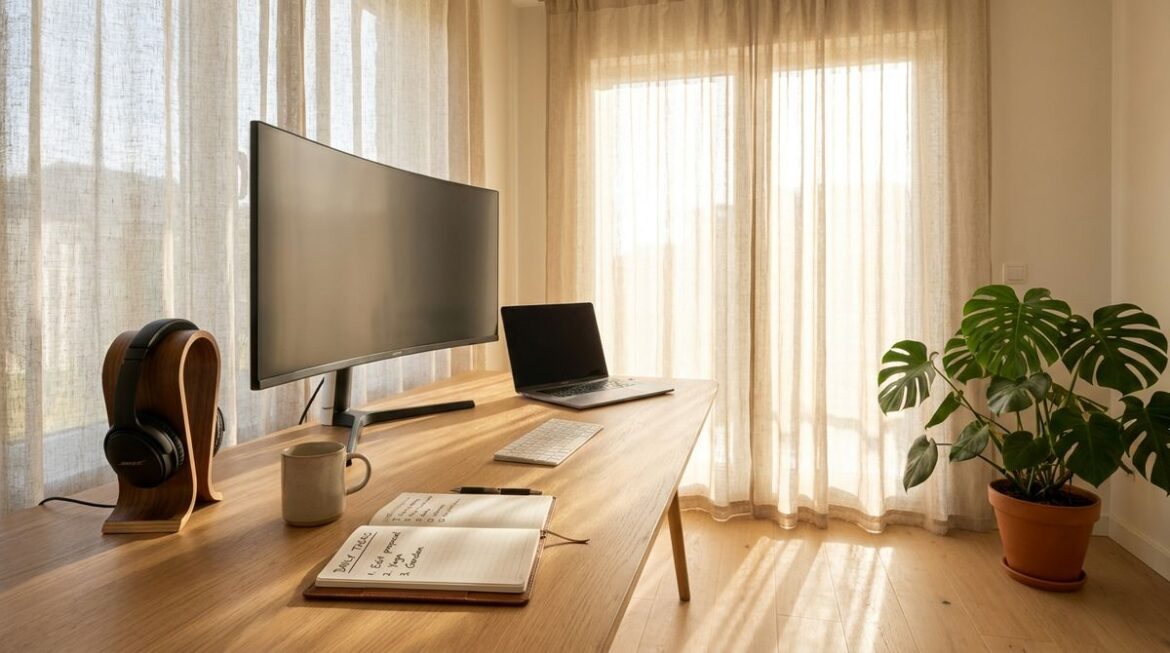
A dedicated spot for reading, studying, and creative projects can bring a peaceful sense of rhythm to a busy household. When children and adults have a comfortable place to sit down with books or schoolwork, curiosity becomes a natural part of daily life. You do not need a spare room or a major renovation to build an inviting study area. Even a small nook can support focused work and quiet companionship.
Designing this kind of corner is about more than desks and task lamps. It is about creating a predictable environment where everyone feels encouraged to sit, think, and explore ideas together. With thoughtful placement, simple furnishings, and shared family routines, any home can host a corner that nurtures learning across all ages.
Choosing the Right Shared Spot
The first step is identifying a location that strikes the right balance between accessibility and quiet. In many homes, isolated rooms feel disconnected from the family, while central living spaces can become overwhelmed by noise and foot traffic. A corner of a dining room, a wide hallway landing, or a sunlit section of a living area often works best for a shared study setup.
Look for an area with steady airflow and good natural illumination. Working near a window provides daylight that helps prevent eye strain during afternoon reading sessions. Being able to glance outside at trees or sky also gives resting eyes a healthy break between tasks, helping both young learners and adults stay refreshed.
Consider how sounds travel through the house at different times of the day. If the television or kitchen prep creates frequent interruptions, select a corner that sits just outside the main circulation path. When you position the desk so that seating faces away from heavy distractions, you help everyone maintain focus without completely separating them from household life.
Planning Layout and Natural Boundaries
Once you select a corner, consider how the space will flow and how boundaries can be established without building walls. Low open shelving, a modest area rug, or a large potted plant can visually set the learning zone apart from leisure areas. These gentle markers signal to the mind that sitting down here means it is time for reading, writing, or thoughtful hobbies.
Before moving furniture around, it can help to look at guides on home planning and garden-facing layouts, such as the design ideas shared on huizhiseed.com, which emphasize turning everyday spaces into calm family retreats. Thoughtful planning saves time and prevents you from overcrowding a modest corner with pieces that are too large for the room.
Keep accessibility at the forefront of your layout decisions. Every person using the desk should be able to sit down and stand up without bumping into walls or obstructing nearby walkways. If more than one family member plans to use the table simultaneously, ensure there is enough elbow room so books, papers, and notebooks do not spill into someone else’s working area.
Electrical outlets also deserve early consideration. If children use tablets for school research or parents plug in reading lamps, make sure cords can run safely along baseboards rather than stretching across walking paths. Simple cord clips and cable sleeves keep wires tidy, preventing tripping hazards and maintaining visual calm.
Gathering Functional and Flexible Furnishings
A practical learning corner relies on furniture that can adapt to different needs over time. A sturdy wooden table with a smooth surface often serves better than a specialized desk, as it allows people of varying heights to find comfortable positions. Adjustable chairs or firm cushions make it easy for younger children to sit at the proper height without slouching.
Storage should be straightforward and intuitive so that materials do not gather in messy piles. Transparent bins, shallow baskets, and labeled book holders allow everyone to locate what they need quickly and put it back without confusion. When everyday supplies have clearly defined homes, maintaining neatness becomes an effortless habit rather than an evening chore.
Here are a few essential supplies that keep a family learning corner organized and ready for daily use:
- Sturdy desktop organizers for shared writing instruments, rulers, and scissors.
- Vertical magazine holders or file dividers for ongoing school projects and notebooks.
- Adjustable task lighting that can be directed precisely where close work happens.
- A small bulletin board or cork tile for displaying schedules, checklists, and inspiring drawings.
Selecting pieces that balance comfort with visual appeal keeps the area inviting, and exploring interior advice at nghomedecor.com can give you practical ways to personalize the look while maintaining an organized, uplifting atmosphere. Adding soft textures, warm lamplight, and calm wall colors helps transform a basic study desk into an inspiring sanctuary for reflection.
Involving Family Members in the Setup
A learning corner thrives when the people who use it feel a genuine sense of ownership over the space. Involving children and relatives in planning, decluttering, and arranging the furniture creates pride in the final result. When young learners help decide where the colored pencils live or which prints hang above the desk, they treat the space with greater respect.
Letting young people participate in building or adjusting simple shelves is a wonderful continuation of teaching practical home repair skills, as they gain confidence by directly shaping the room they will use. Using basic hand tools under supervision connects practical handiwork with the intellectual pursuits that will take place at the newly assembled desk.
Encourage family members to contribute personal touches that reflect their educational interests. A nature lover might place a small tray of river stones and pinecones in the corner, while an avid reader might arrange a rotating stack of library books. These small contributions turn a generic workstation into a warm, meaningful family hub.
Set aside an afternoon for everyone to test the arrangement together. Sit in the chairs, try out the lighting, and ensure that reaching the shelves feels comfortable for smaller hands. Making minor adjustments right away prevents frustration later and ensures that everyone feels considered in the shared design.
Maintaining Order and Encouraging Daily Use
Even the most beautifully designed learning area will lose its appeal if clutter takes over. Establishing a quick reset routine at the end of each afternoon keeps the surface welcoming for whoever sits down next. Spending just a few minutes returning caps to markers and stacking paper flat preserves the calm feel of the corner.
Establish clear, shared expectations about how the area is used. While collaboration and quiet discussion are welcome, high-energy games and messy snacks are better suited for the kitchen table or living room floor. Keeping the space dedicated to creative and intellectual pursuits preserves the mental association between that corner and focused thought.
Parents and older relatives can model good habits by using the desk themselves. When children see an adult sitting quietly with a book, writing letters, or planning community projects, learning is perceived as a lifelong pursuit rather than merely a school obligation. Shared quiet hours, where multiple generations sit side by side working on separate projects, foster mutual respect and a peaceful household rhythm.
Building a home learning nook is an ongoing journey that evolves alongside your family. As interests shift and children grow, shelves can be rearranged, new books can take the spotlight, and lighting can be modified. By keeping the space flexible, tidy, and welcoming, you provide your home with a lasting center for curiosity, growth, and connection.