Travel offers families much more than a temporary pause from daily routines. When parents and children step beyond familiar surroundings together, they encounter the remarkable ways human communities interact with the physical earth. Experiencing distinct terrains helps young people recognize that cultural traditions, village architecture, and everyday habits are deeply shaped by the geography around them.
Families who intentionally explore diverse environments give their children a richer perspective on the world. Rather than rushing between crowded landmarks, slowing down to examine regional landscapes builds lasting observational skills and mutual respect for different ways of living. This focused travel style nurtures natural curiosity and anchors family time in meaningful discovery.
Framing Family Travel as an Inquiry into Geography and Community
Children possess an innate curiosity about the physical world. When a child observes that houses on steep hillsides look entirely different from homes near the sea, an educational opportunity unfolds. Parents can gently nurture this instinct by encouraging young travelers to wonder why local builders chose specific stone or why roads follow the contours of a ridge.
Approaching trips through this lens transforms a vacation into an engaging study of human adaptability. Instead of passively memorizing facts from schoolbooks, children witness firsthand how communities solve practical challenges. They observe how rural villages collect runoff, how farmers terrace hillsides to prevent erosion, and how coastal builders protect dwellings against marine winds.
These observations lead to enriching conversations. Comparing different landscapes across journeys helps children connect geography to culture. They begin to see that regional cuisine, festive traditions, and community gathering places reflect generations of harmony between people and their environment, fostering empathy that serves them well in daily life.
Exploring the Cadence and Heritage of Historic Hill Country
Inland foothill regions offer an exceptional environment for studying history, agriculture, and traditional town planning. In many historic valleys and upland districts, settlements developed atop defensive ridges centuries ago to safeguard residents and preserve fertile farmland below. Wandering through these ancient settlements allows children to imagine life before modern transit reshaped communities.
These elevated landscapes invite families to slow their pace. Walking along narrow cobblestone passages and beneath weathered stone arches reveals the enduring craftsmanship of past generations. Children can easily observe how thick stone masonry keeps indoor spaces comfortable during warm afternoons, demonstrating ancient yet practical approaches to climate management.
When preparing to explore these tranquil upland territories and agrarian valleys, families can consult regional travel guides such as montefeltro.net for helpful insights on navigating historic hilltop hamlets, scenic valley routes, and local cultural landmarks. Having dependable context beforehand enables parents to guide engaging discussions as their children discover secluded courtyards, terraced olive groves, and architectural heritage.
Spending unhurried time in historic upland communities introduces young learners to the rhythms of agrarian life. They see how markets celebrate regional produce and how families maintain deep roots in their native soil, cultivating an appreciation for patience and communal pride.
Discovering Maritime Adaptation and Coastal Architecture
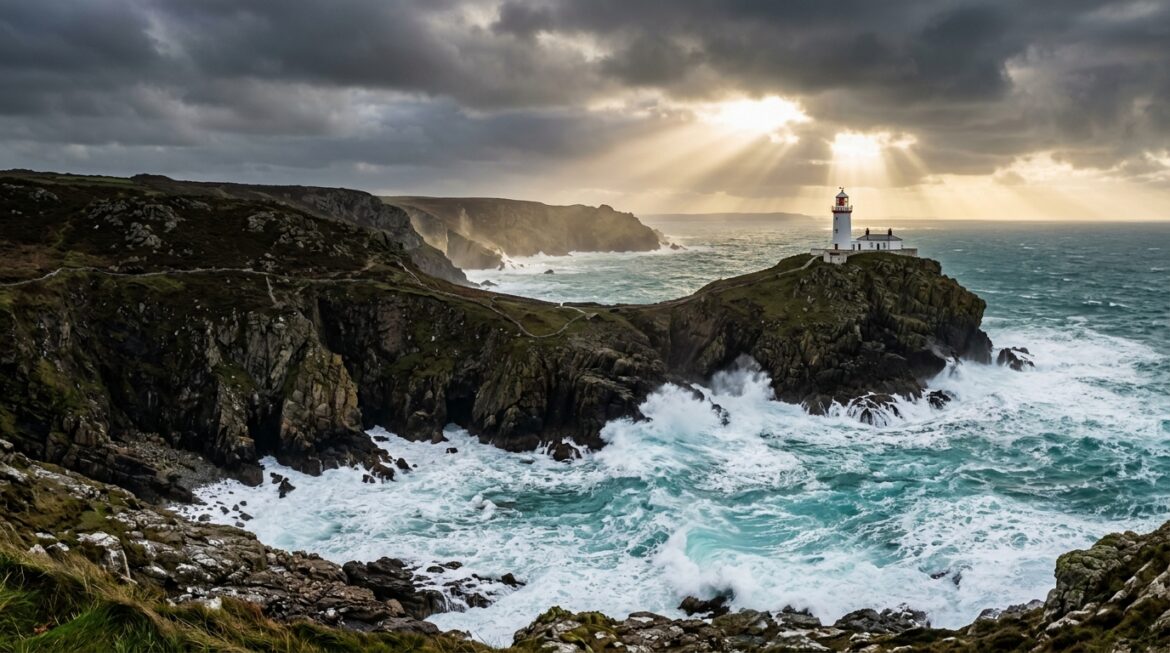
In sharp contrast to inland foothills, coastal and island landscapes require entirely different community adaptations. Maritime environments, especially those shaped by dramatic volcanic ridges or sheer ocean bluffs, demonstrate how human communities show resilience in the face of extreme topography and coastal weather.
On steep volcanic islands, traditional builders historically utilized dark volcanic rock, local lime mortar, and curved vaulted ceilings to construct sturdy dwellings carved directly into rugged cliffs. When children see houses stacked vertically above crashing waves, painted brilliant white to reflect sunlight, they understand how natural elements dictate architectural form.
Visiting coastal destinations also introduces young travelers to the balance between natural preservation and welcoming hospitality. Families researching island destinations and seaside accommodations can turn to specialized travel resources like Santorini-Resort to understand how cliffside properties and island retreats welcome visitors while celebrating breathtaking maritime views. These unique settings provide vivid lessons in geology, marine geography, and local innovation.
By contrasting the stone-walled tranquility of inland hills with the dramatic verticality of island cliffs, children learn that there is no single formula for building a community. Instead, each human settlement represents a creative answer to the terrain provided by nature.
Practical Habits for Encouraging Field Observations
Parents do not need professional training in architecture or earth sciences to cultivate thoughtful observation in their children. Simple daily habits during a family trip can turn any afternoon stroll into an exciting discovery walk.
The key is to create space for active curiosity rather than rushing to check off tourist attractions. Encouraging children to use all their senses—listening to wind patterns, feeling weathered building stone, and observing regional flora—sharpens their awareness and keeps them engaged with their surroundings.
Here are several practical practices families can adopt during their regional journeys:
- Provide each child with an unlined pocket notebook to sketch distinctive building arches, rooflines, and landscape outlines.
- Pause during morning walks to identify the primary natural building materials utilized in local neighborhood structures.
- Visit neighborhood markets together to discuss how nearby geography and seasonal weather influence the foods available for purchase.
- Encourage young travelers to track how shifting sunlight and evening shadows transform the colors of surrounding hillsides or sea cliffs.
These simple exercises foster patience and critical thinking. They encourage young minds to move past passive sightseeing and engage in purposeful discovery, helping children build confidence in their own observational abilities.
Connecting Landscape Appreciation to Environmental Stewardship
As children develop an appreciation for distinct regional environments, they naturally begin to understand the importance of caring for those spaces. Seeing how closely human wellbeing depends upon healthy soils, stable hillsides, and clean waters helps young learners recognize that every landscape is both fragile and precious.
Responsible family travel practices reinforce this sense of guardianship. Simple actions, such as staying on established pathways, leaving natural artifacts undisturbed, and supporting local craftsmen, teach children that visitors have an obligation to protect the communities they enjoy. For practical guidance on cultivating these habits outdoors, parents can consult teaching children habitat conservation on family travels before embarking on their next family excursion.
When children witness the care that regional communities invest in preserving their heritage and natural surroundings, they return home with a renewed sense of responsibility. They carry these lessons into their own neighborhoods, developing into conscientious citizens who value environmental integrity and community wellbeing.
Exposing children to contrasting landscapes—from tranquil agricultural hills to dramatic island cliffs—instills a lifelong curiosity about our diverse planet. Each unique environment offers an open-air classroom where history, geography, and human resilience intersect in tangible ways.
By encouraging young people to look closely, ask thoughtful questions, and respect the distinct character of every community they visit, families transform routine travel into an enduring educational journey. These shared adventures not only strengthen family bonds, but also nurture compassionate, observant minds ready to appreciate the boundless wonder of the world.