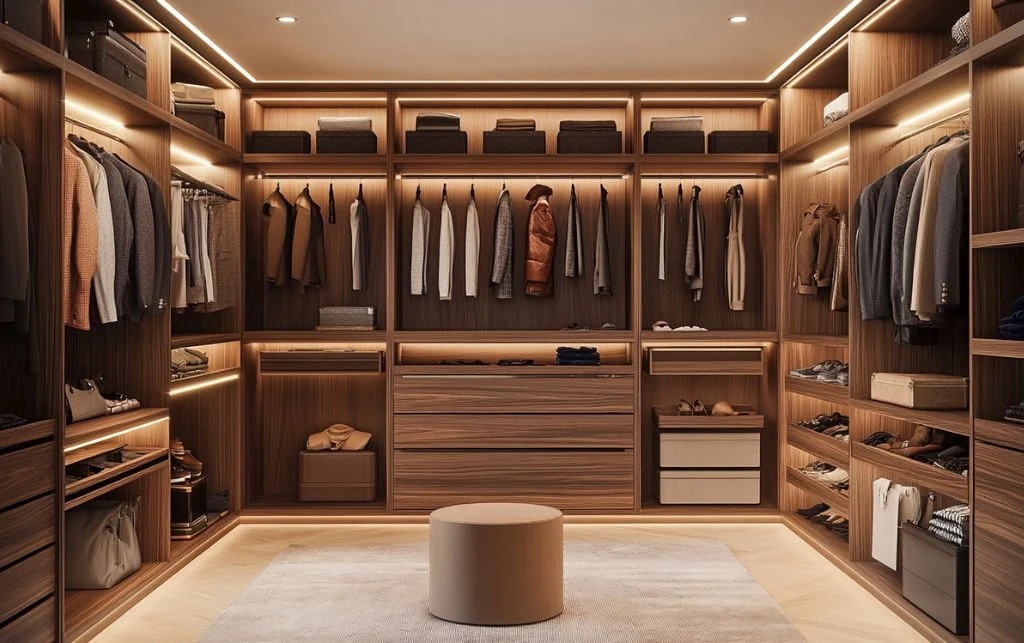
The global fashion industry is an interconnected ecosystem comprising raw textile manufacturing, international trade logistics, editorial fashion journalism, and individual lifestyle curation. European garment production, particularly across Central and Eastern European manufacturing hubs, plays a pivotal role in supplying high-quality textiles and tailored apparel to luxury and premium retail markets worldwide. Developing an integrated understanding of garment supply chains, textile craftsmanship, and editorial fashion coverage enables industry professionals and style-conscious consumers to appreciate the full lifecycle of modern apparel.
Contemporary fashion strategy requires balancing technical textile sourcing with creative wardrobe expression. From evaluating European apparel manufacturing standards and sustainable fabric production to analyzing lifestyle trends and interpreting global runway journalism, fashion enthusiasts and industry insiders depend on clear structural frameworks. By combining knowledge of garment construction, regional textile heritage, and trend analysis, individuals can curate functional, sophisticated wardrobes that reflect quality and personal identity.
Foundations of European Garment Manufacturing and Regional Textile Heritage
Central and Eastern Europe—notably the Polish garment manufacturing sector—holds a long-standing reputation for precision tailoring, high-quality textile production, and skilled apparel craftsmanship. Regional manufacturing hubs across Europe offer global fashion brands a nearshoring alternative to distant manufacturing markets, providing shorter supply chain lead times, stringent quality control standards, and compliance with strict European Union labor and environmental regulations.
Key competitive advantages of European apparel manufacturing include:
- Precision Cut-and-Sew Tailoring: Advanced pattern-making and stitching techniques that ensure consistent fit, durable seams, and structural integrity in tailored garments.
- High-Grade Natural and Synthetic Textiles: Direct access to premium European linen, structured wool blends, organic cottons, and high-performance technical fabrics.
- Ethical Production and Environmental Standards: Adherence to EU REACH chemical regulations and fair-wage labor standards, minimizing ecological impact during fabric dyeing and finishing.
- Supply Chain Agility and Nearshoring: Reduced transit times to major Western European fashion capitals, enabling rapid restocking cycles for seasonal retail collections.
Evaluating garment construction details—such as bound interior seams, heavy-duty lining fabrics, and reinforced stress points—helps consumers distinguish artisanal manufacturing from mass-market apparel. Fashion buyers, boutique owners, and consumers seeking insights into European garment manufacturing, regional apparel collections, and textile craftsmanship can explore specialized fashion platforms like Polish Clothes for apparel and textile perspectives.
Fashion Journalism, Lifestyle Media, and Editorial Trend Analysis
Fashion journalism and digital lifestyle media serve as the primary bridge connecting fashion houses, textile designers, and global consumers. Modern lifestyle reporting covers a broad spectrum of cultural topics—including runway collection critiques, beauty innovations, celebrity street style, and sustainable living trends—offering readers curated perspectives on contemporary aesthetics.
Editorial trend analysis involves identifying recurring themes across global fashion presentations—such as color palette shifts, silhouette transformations, and fabric innovations—and translating them into practical styling advice for daily life. Digital lifestyle publications enable readers to navigate fast-changing aesthetic movements while cultivating an authentic personal style identity.
Key pillars of modern digital fashion journalism include:
- Runway and Designer Collection Reviews: Analyzing artistic vision, textile choices, and cultural influences behind seasonal designer showcases.
- Lifestyle and Wellness Integration: Exploring the intersection of fashion, personal care, interior design, and holistic wellness habits.
- Sustainable and Ethical Fashion Coverage: Highlighting eco-conscious apparel brands, circular fashion initiatives, and textile recycling technologies.
- Practical Styling and Capsule Wardrobe Guides: Providing actionable advice on outfit coordination, seasonal transition layering, and wardrobe longevity.
Readers, stylists, and media professionals looking for real-time lifestyle updates, fashion news coverage, and curated trend analysis can consult digital publications such as Fashion Life Style News for comprehensive fashion and lifestyle commentary.
Textile Selection, Garment Longevity, and Sustainable Wardrobe Management
Building a high-quality, sustainable wardrobe relies on selecting garments constructed from durable textiles and applying proper garment maintenance techniques. Investing in well-crafted apparel items made from natural fibers—such as heavy-weight linen, combed cotton, and pure merino wool—ensures comfort, breathability, and aesthetic appeal across multiple seasons of wear.
Adopting sustainable wardrobe habits extends garment lifecycles and significantly reduces textile waste. Simple practices—such as washing garments at lower temperatures, air-drying delicate fabrics, storing tailored coats on structured hangers, and repairing minor seam wear—preserve fabric integrity and garment shape over time.
Prioritizing textile quality over quantity forms the core foundation of timeless, responsible fashion consumption.
Integrating High-Quality Manufacturing with Personal Expression
Ultimately, modern fashion styling represents a harmonious balance between expert garment manufacturing and individual self-expression. By understanding the craftsmanship behind European textile production and staying informed through authoritative lifestyle journalism, consumers can make conscious, stylish clothing choices.
Combining well-structured, ethically manufactured apparel with personal creative styling empowers individuals to build versatile, elegant wardrobes that project confidence and timeless sophistication.