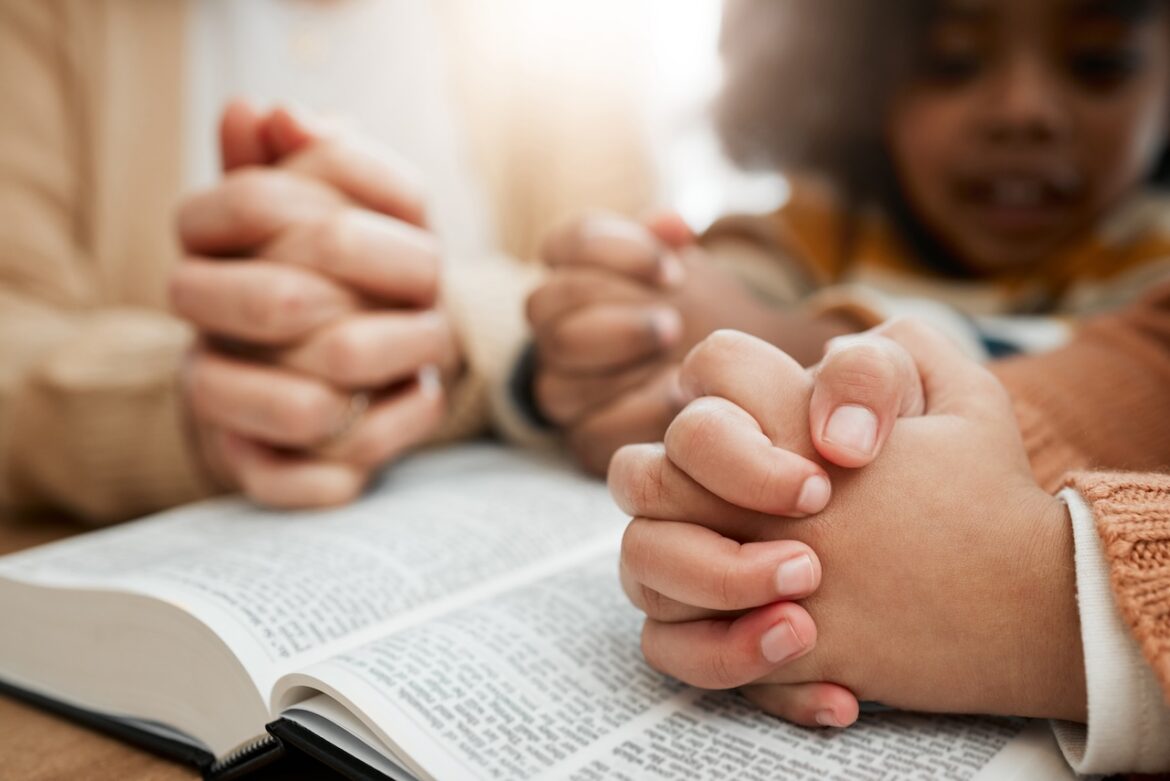
Every parent wants their children to build a personal connection with faith, and scripture study sits at the heart of that goal. But knowing when a child is ready to open the scriptures on their own can feel tricky. Some kids show interest early, while others need more time and encouragement. The truth is that real gospel learning doesn’t happen on a fixed schedule. It grows gradually, shaped by a child’s age, reading ability, and spiritual curiosity. Understanding these stages helps parents guide their children toward independent study at the right pace.
Early Childhood: Building the Foundation (Ages 3–7)
Young children aren’t ready to read scriptures alone, but this is the perfect time to plant seeds. Read simple stories aloud, use picture books, and talk about the messages in everyday language. At this age, kids absorb the rhythm and warmth of scripture time even if they can’t follow the words.
The goal here isn’t independence. It’s familiarity. When children see the scriptures as a normal, comforting part of family life, they carry that feeling forward. Keep sessions short, joyful, and full of questions they can answer.
Middle Childhood: Guided Reading (Ages 8–11)
Around age eight, many children can read well enough to explore short passages on their own. This stage works best with gentle guidance. You might invite your child to read a few verses independently, then discuss what they noticed together.
Give them their own copy of the scriptures. Ownership matters. A personal set with their name on it signals that this practice belongs to them. Encourage small, manageable goals, like reading one story a few times a week. Celebrate effort rather than perfection, and let curiosity lead the way.
Early Adolescence: Growing Independence (Ages 12–14)
By the preteen and early teen years, kids can handle deeper study. This is often when independent scripture reading truly takes root. Teens begin asking bigger questions about purpose, right and wrong, and their place in the world. The scriptures offer a space to wrestle with those ideas.
Help them find tools that fit this stage. Study journals, highlighting systems, and reflection questions turn passive reading into active learning. Respect their growing need for privacy. A teen who studies alone in their room is still building the habit, even if you don’t see it happening.
Practical Tips for Parents
Supporting independent study takes patience and consistency. A few simple approaches make a real difference:
- Model the habit. Children who see parents reading scriptures are far more likely to do it themselves.
- Create a routine. Tie study to an existing part of the day, like mornings or bedtime.
- Keep expectations realistic. Five focused minutes beats thirty distracted ones.
- Ask open questions. Instead of quizzing, invite thoughts and feelings about what they read.
- Offer the right resources. Age-appropriate versions and study aids keep kids engaged.
The aim is progress, not pressure. Forcing the habit often backfires, while gentle encouragement helps it stick.
The Developmental and Spiritual Benefits
Independent scripture study does more than build faith. It strengthens reading comprehension, focus, and reflection skills. Children learn to sit with ideas, form their own opinions, and think about values that shape their character.
Spiritually, personal study helps kids develop a relationship with their beliefs that isn’t borrowed from parents. When they discover meaning on their own, that understanding becomes truly theirs. This sense of ownership tends to last far longer than lessons handed down.
A Lifelong Habit in the Making
There’s no single perfect age for children to begin studying the scriptures alone. Readiness depends on the individual child, their reading skills, and their emotional maturity. What matters most is the steady, supportive path parents create along the way. By reading together in early years, guiding in the middle years, and stepping back as teens grow, families nurture a habit that can shape a lifetime of learning and reflection.