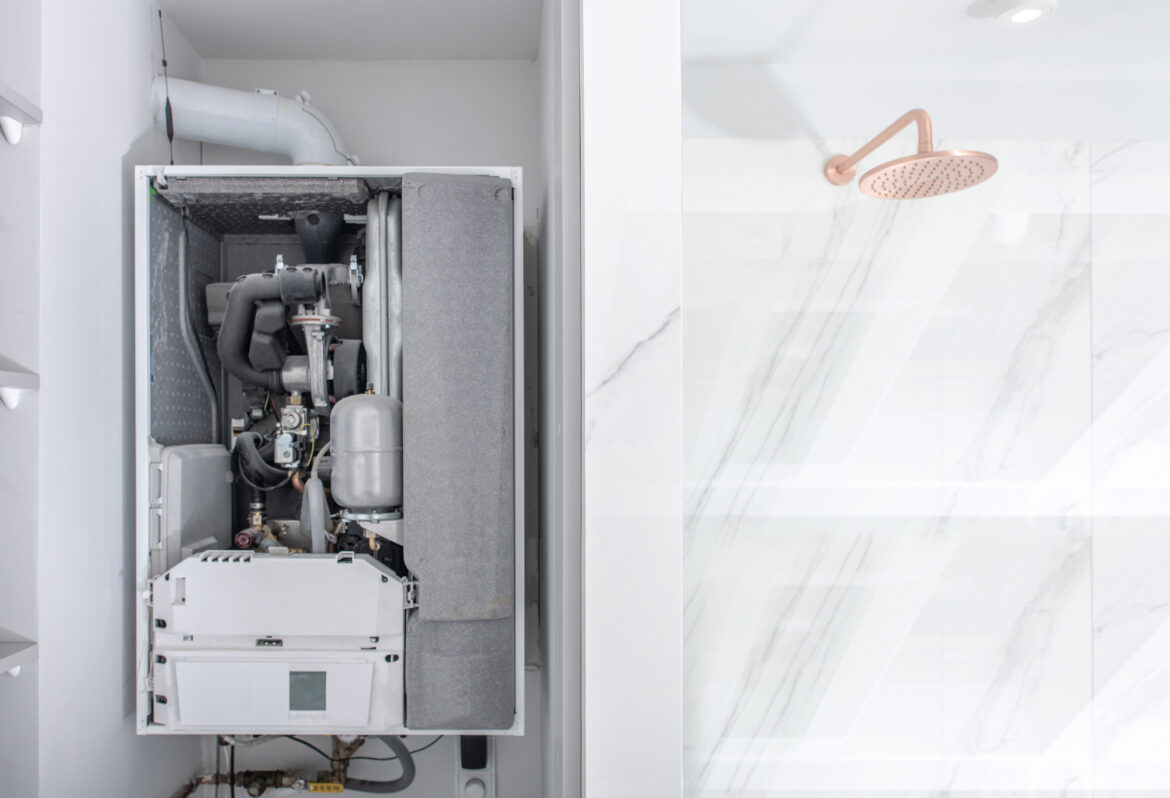
If you’re tired of running out of hot water mid-shower or you’re simply looking to upgrade your home’s plumbing system, you’ve probably come across tankless water heaters in your research. These compact, energy-efficient units have become increasingly popular alternatives to traditional storage tank water heaters. But before making the switch, it’s natural to wonder what kind of investment you’re looking at.
The truth is, tankless water heater installation costs can vary quite a bit depending on several factors. Understanding these variables will help you budget appropriately and avoid surprises when you call for water heater services.
Understanding the Base Unit Cost
The tankless water heater itself is just one piece of the overall cost puzzle. These units come in different sizes and types, primarily electric and gas-powered models. Electric tankless water heaters tend to be more affordable upfront but may struggle to keep up with high-demand households. Gas-powered units typically cost more initially but deliver higher flow rates, making them better suited for larger families or homes with multiple bathrooms.
The size and capacity you need depends on your household’s hot water demands. A smaller unit serving a single bathroom will cost less than a whole-house system designed to handle simultaneous demands from showers, dishwashers, and washing machines. Getting this sizing right matters, both for performance and for keeping your budget in check.
Installation Complexity Plays a Major Role
Here’s where costs can really start to fluctuate. If you’re replacing a similar tankless unit with another one, installation tends to be straightforward and relatively inexpensive. However, if you’re converting from a traditional tank system to a tankless model, expect additional costs.
Switching from tank to tankless often requires significant modifications to your home’s infrastructure. Gas units may need upgraded gas lines to handle the higher demand, while electric models sometimes require electrical panel upgrades to support the increased power draw. Additionally, tankless systems have different venting requirements than traditional water heaters, which may mean installing new venting systems entirely.
Your home’s existing layout also matters. If your new unit needs to be installed in a different location than your old water heater, you’ll face additional labor and material costs for rerouting pipes, gas lines, or electrical connections.
Permits and Professional Labor
Most municipalities require permits for water heater installations, particularly when the work involves gas line modifications or electrical upgrades. Permit costs vary by location, but they’re a necessary expense that ensures your installation meets local safety codes.
Labor costs represent a significant portion of your total investment. Professional installation is highly recommended for tankless water heaters due to the technical complexity involved. These systems require precise calibration, proper venting, and correct connections to function safely and efficiently. Attempting a DIY installation might save money initially, but improper installation can lead to safety hazards, void warranties, and result in costly repairs down the road.
When budgeting for professional water heater services, get multiple quotes from licensed contractors. Reputable professionals will assess your home’s specific needs and provide detailed estimates that account for your unique situation.
Additional Factors That Influence Cost
A few other elements can affect your total installation price. If your home’s water quality is poor, you might need additional filtration systems to protect your new unit and extend its lifespan. Homes with hard water, in particular, may require water softeners to prevent mineral buildup inside the tankless system.
The condition of your existing plumbing also matters. Older homes with outdated piping might need updates before a tankless system can be safely installed. Similarly, if your electrical panel is outdated or near capacity, upgrading it adds to the overall project cost.
Weighing the Long-Term Value
While the upfront cost of tankless water heater installation is generally higher than traditional tank systems, many homeowners find the investment worthwhile. Tankless units typically last longer than traditional tank heaters, offer improved energy efficiency, and provide endless hot water on demand. Factoring in these long-term benefits alongside the initial installation cost gives you a clearer picture of the overall value.
Getting an Accurate Estimate
Since so many variables affect installation costs, the best way to get an accurate picture is to schedule an in-home assessment with a qualified professional. They’ll evaluate your current setup, discuss your hot water needs, and provide a detailed quote tailored to your specific situation. This upfront diligence ensures you understand the full scope of the project before committing.