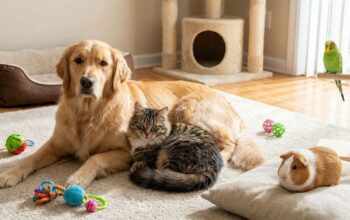
Neighborhoods are defined by the people who live within them, but the daily experience of these spaces is often deeply influenced by our companions of a different species. Pets are integral members of many families, and the way we integrate them into our shared environment can significantly affect community harmony. When families approach pet ownership with a community-minded perspective, the result is often a more welcoming, safe, and connected neighborhood. This involves thoughtful planning, mutual respect, and an awareness of how individual actions impact the collective experience of living in a shared space.
Understanding Community Pet Needs
When families move into a new area or look to improve their current environment, it is helpful to consider what kinds of activities, spaces, and resources are available for pet engagement. A shared understanding of what pets need to be happy and healthy contributes to a smoother experience for everyone. Finding appropriate activities and resources for your pet adventures is a wonderful way to begin building this community connection, and you can explore helpful ideas at ThePitsky.com for guidance on keeping pets engaged and active.
This understanding goes beyond just our own pets. It extends to knowing how to interact with neighbors’ pets in public spaces, understanding local conventions, and respecting boundaries. When a family takes the time to research and understand these needs, they are better equipped to participate in community activities without causing disruption. This foundational knowledge allows for more informed decisions regarding where pets can safely play, walk, and interact, ensuring that both families with pets and those without feel comfortable in their shared surroundings.
Developing Safe and Shared Spaces
The physical environment plays a massive role in pet integration. Whether it is a small courtyard or a larger shared lawn, managing these spaces requires cooperation. Families should work together to ensure that areas designated for pets are clean, well-maintained, and safe. This means consistently picking up after pets, repairing any damage to shared fences or barriers, and being mindful of shared landscaping. Small, consistent efforts by each family create a cleaner environment for the entire neighborhood.
Safety is also paramount. This involves not only keeping pets secure within their own homes or yards but also ensuring that interactions in communal spaces are supervised and controlled. Families should openly discuss expectations regarding leash use, interaction with children, and how to handle unexpected encounters. By fostering open communication, neighbors can establish clear boundaries that protect everyone, both human and animal, creating a sense of predictability and security that allows everyone to enjoy the neighborhood more fully.
Coordinating Neighborhood Pet Support Systems
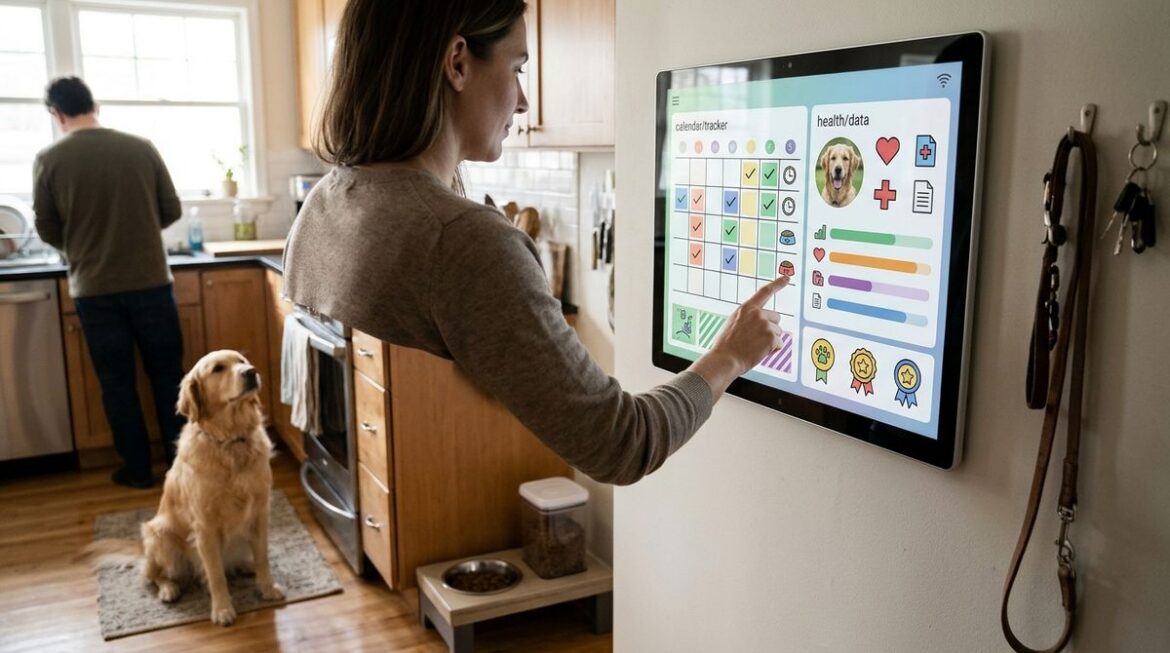
A strong community is one that supports its members, and this should extend to the health and well-being of the pets that live there. Families can create informal support systems, such as sharing information about reliable local pet services, discussing common wellness practices, or even establishing a buddy system for pet care emergencies. Access to reliable health and lifestyle information is crucial for maintaining well-behaved and healthy companions. You can find valuable information about providing for the holistic health and needs of your animals at Pettagspro.org, which offers guidance that can be shared among neighbors to improve overall community standards.
These support systems do not need to be formal or complex. They can be as simple as a neighborhood social media group for sharing pet-related advice or a quick conversation between neighbors about a local resource. When information is shared, it benefits the entire pet population, leading to better-informed owners and healthier pets, which in turn fosters a positive and cooperative atmosphere among the human residents.
Balancing Play and Peaceful Interaction
While pets bring immense joy and energy, it is important to balance this with the need for peace and quiet in a residential area. This requires teaching pets acceptable behaviors and ensuring they are well-socialized. Developing these skills in animals is not just a personal responsibility; it is a community contribution. This focus on responsibility is just as important for our children as they learn to interact with pets in their daily lives, and the process is essential for teaching kids valuable life skills that will serve them well as they grow up in a community of diverse families and animals.
Families can implement several practical steps to maintain this balance:
- Establish consistent routines for walking and playtimes to help pets manage their energy levels effectively.
- Prioritize early training and socialization to ensure pets remain calm in common areas.
- Always communicate with neighbors about any anticipated changes in pet behavior or temporary pet guests.
- Be proactive in addressing any concerns raised by neighbors promptly and respectfully.
By taking these steps, families can demonstrate that they are committed to being considerate members of the neighborhood, balancing their own needs with the needs of those around them.
Long-Term Sustainability and Community Growth
Creating a truly pet-inclusive neighborhood is an ongoing process that requires long-term commitment. As families grow, change, and transition, the needs of the community will also evolve. Maintaining this inclusivity means continuing to communicate, adapting to new challenges, and remaining open to feedback from all neighbors. Successful communities often find that regular, low-stakes interaction among neighbors—whether during dog walks, at a neighborhood event, or through informal chats—helps build the social bonds necessary to resolve issues before they become problems.
Ultimately, the goal is to create a culture of mutual respect and shared responsibility. When families prioritize this, the neighborhood becomes more than just a place to live; it becomes a supportive network where both families and their pets can thrive. This approach not only enhances the quality of life for all residents but also strengthens the community as a whole, creating an environment that is resilient, welcoming, and deeply connected for many years to come.