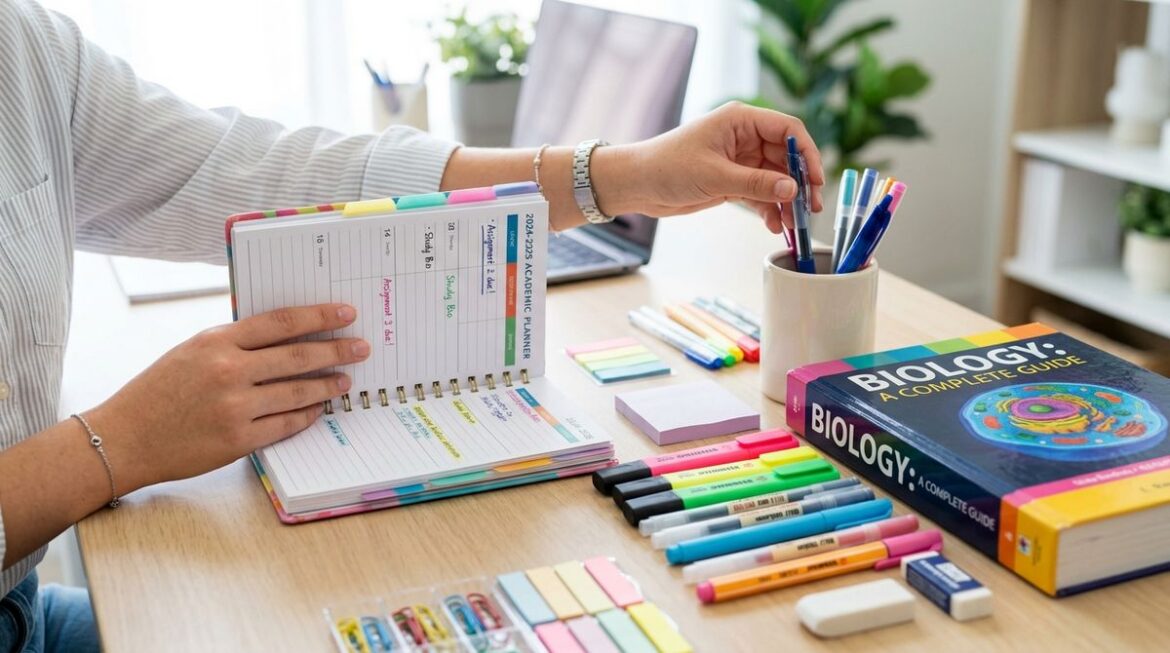
Independent research assignments give young learners an opportunity to follow their curiosity, examine community issues, and discover how practical knowledge is gathered and shared. When students transition from structured classroom worksheets to open-ended investigations, however, the sheer volume of available information can feel overwhelming. Families often find themselves wondering how to provide steady encouragement and helpful boundaries without taking over the assignment or dictating every intellectual decision.
Guiding a student through an independent project is less about knowing every answer and more about modeling patience, curiosity, and sound judgment. By breaking an inquiry into manageable phases, parents and mentors can help young researchers build steady confidence. This collaborative approach transforms an intimidating school requirement into an enjoyable learning experience for the entire household.
Defining a Manageable Question for School Projects
A frequent hurdle for students is selecting a question that is neither too broad nor too narrow. A topic such as environmental conservation or community history covers far too much ground for a single report. When an inquiry is unfocused, children often feel lost before they have gathered their initial notes.
You can assist by encouraging the student to think about their immediate surroundings or an issue that touches daily community life. Instead of examining all environmental concerns, a student might investigate how neighborhood parks manage rainwater runoff or how local tree canopies influence summer shade on residential streets. Narrowing the scope allows them to search for concrete answers rather than drowning in generalized summaries that offer little local insight.
Help them craft an open-ended central question that cannot be answered with a simple affirmative or negative response. Good research questions frequently begin with words such as how or why, inviting the learner to analyze causes and compare viewpoints. Write this central prompt on a piece of paper and tape it near their study space to keep their attention centered throughout the week.
Gathering Varied Reading Materials Beyond Textbooks
School textbooks provide helpful foundational concepts, but independent learning truly thrives when students consult multiple types of reading material. Encouraging young scholars to compare local library books, community newsletters, public notices, and informative online articles teaches the valuable skill of critical evaluation. They begin to notice that different writers highlight distinct aspects of the very same topic, helping them form a more complete, balanced perspective.
When students search for background reading across diverse subjects, browsing dedicated educational libraries or an informative platform such as cookiebot provides an engaging starting point for discovering expository articles and well-structured summaries. Reviewing such articles alongside your child helps them recognize how clear introductory paragraphs and informative headings organize complex ideas.
Contemporary events and community updates also offer rich context for school inquiries that touch on current civic topics. When tracking ongoing discussions or everyday regional developments, examining public summaries on vnznews.com allows learners to observe how daily updates convey timely facts in a concise format. Discussing these articles together prompts students to evaluate where authors source their details and how current reporting differs from historical accounts.
Creating a Simple System for Organizing Sources
Without an organized method for recording where facts originated, students face significant frustration when drafting their final presentation or bibliography. Teaching simple cataloging methods early in the process saves hours of frantic searching later and fosters academic honesty from an early age.
A physical notebook or a basic text document on a shared family computer serves as an effective repository for early discoveries. Rather than copying long passages word for word, encourage your student to write brief summaries in their own voice alongside the name of the publication.
To keep materials orderly without complicated software, students can follow a straightforward set of recordkeeping habits:
- Record the title, author, and publication name for every reference consulted.
- Assign a distinct colored folder or notebook divider to each major subtopic.
- Write a single key thought or factual detail per index card or note card.
- Set aside a dedicated review page for questions that require teacher guidance.
Maintaining these basic routines reinforces the value of steady preparation. When the time arrives to begin drafting, having orderly notes prevents panic and makes the writing process feel like assembling familiar puzzle pieces.
Balancing Investigation Time With Daily Family Rest
Engaging deeply in an exciting inquiry can easily lead to screen fatigue, eye strain, or evening stress if working hours stretch unchecked. Children frequently lose track of passing time when browsing articles, taking notes, or refining presentation slides, leaving them tired and irritable by bedtime.
Families can protect household calm by setting clear daily boundaries on study sessions. Short, focused working intervals often yield better concentration and retention than long, unbroken stretches at a desk. When a session ends, encourage physical movement, a nourishing family snack, or fresh outdoor air to reset their attention.
Maintaining balance across recreational screen use and academic study is essential for ongoing enthusiasm. Parents who are already practicing healthy creative media habits at home will recognize that intentional digital breaks support both academic clarity and domestic peace. Protecting regular sleep schedules and shared family meals ensures that school assignments enrich a student’s life rather than exhausting it.
Synthesizing Findings Into a Clear Presentation
The final stage of an independent project involves bringing diverse observations together into a coherent narrative. Many young learners hesitate at this step because they feel pressured to include every single detail they discovered. Remind your student that a successful report highlights the most significant insights rather than an exhaustive catalog of notes.
Invite the student to explain their discoveries aloud around the dinner table or to an older sibling. Speaking informally about their findings helps them clarify their central theme and identify which examples are truly compelling. If they stumble while explaining a particular concept, that provides a gentle signal to revisit their reference notes together.
Once their main points are clear in speech, transforming those ideas into written paragraphs, poster boards, or digital slide presentations becomes far more straightforward. Encourage them to use simple, descriptive headings, to illustrate key concepts with clear examples, and to conclude with their own thoughtful reflections on what the investigation taught them personally.
Supporting an independent research project offers families a meaningful opportunity to nurture lifelong curiosity and academic resilience. By guiding students through thoughtful question design, diverse source exploration, and dependable organization, parents equip them with essential tools for future learning. Celebrating the steady effort invested along the way builds a sense of quiet accomplishment that extends far beyond a single classroom assignment.