Every vehicle parked along a neighborhood curb is a functioning showcase of modern engineering. From the moment a key turns or a power button engages, complex mechanical assemblies, electrical circuits, and microprocessors work in synchronized harmony. For curious children and teenagers, modern cars offer an accessible bridge to science, technology, engineering, and mathematics. Parents and community mentors do not need specialized mechanical training to turn ordinary travel into an engaging educational journey.
Observing vehicle design helps young learners appreciate how abstract textbook concepts function in real life. Principles of kinetic energy, friction, and fluid dynamics govern every turn of a wheel and application of a brake pedal. When families frame vehicles as interconnected systems rather than simple transportation appliances, children develop sharp investigative habits. They begin to ask thoughtful questions about energy storage, structural safety, and environmental impact.
Grounding Science Concepts in Everyday Transportation
Introducing basic vehicle science begins with everyday observations during routine family errands or school commutes. Parents can encourage children to listen to the pitch of tires against different pavement surfaces or note how air resistance affects fuel consumption on open highways. Simple conversations about why windshields curve or how tread patterns disperse rainwater introduce the fundamentals of aerodynamics and material science without overwhelming younger minds.
As students grow older, their curiosity naturally expands into how various powertrains generate movement. Comparing internal combustion engines with electric battery packs provides an ideal entry point for studying energy conversion, heat management, and regenerative braking. Discussing how electric motors deliver immediate torque introduces fundamental electromagnetic principles in a way that feels dynamic and relevant to their daily routines.
Keeping up with ongoing industry debates helps students see that automotive technology is a rapidly evolving field of study. Families wanting to follow industry developments and vehicle design updates can follow dedicated journalism at autotymeautomotive.com to discover how manufacturers tackle efficiency challenges. Reading about emerging propulsion platforms and design refinements shows students that engineers constantly iterate on existing systems to solve real-world problems.
Organizing Collaborative Projects for Neighborhood Groups
Community centers, youth clubs, and homeschool collectives provide wonderful spaces for collaborative mechanical exploration. Group learning allows students to pool ideas, divide responsibilities, and practice communication while investigating technical subjects. Working alongside peers transforms scientific concepts from solitary homework exercises into shared creative challenges that foster genuine camaraderie.
Hands-on activities do not require expensive garage tools or hazardous equipment to deliver meaningful lessons. Mentors can coordinate focused tabletop exercises using simple materials:
- Building miniature friction-powered or rubber-band vehicles to evaluate wheel diameter and axle alignment.
- Assembling simple solar car kits to demonstrate photovoltaic conversion and gear ratios under sunlight.
- Crafting streamlined aerodynamic shapes out of modeling clay to observe airflow characteristics.
- Designing basic circuit boards that power miniature headlights using low-voltage batteries and switches.
These community-based workshops also help families build stronger local ties around shared educational goals. Much like the collective efforts involved when coordinating neighborhood transit to simplify weekday school routines, neighborhood science clubs thrive when adults share responsibilities and resources. Parents can trade learning kits, invite guest hobbyists, and organize group visits to local science centers or public transportation facilities.
Exploring Engineering Standards and Manufacturing Quality
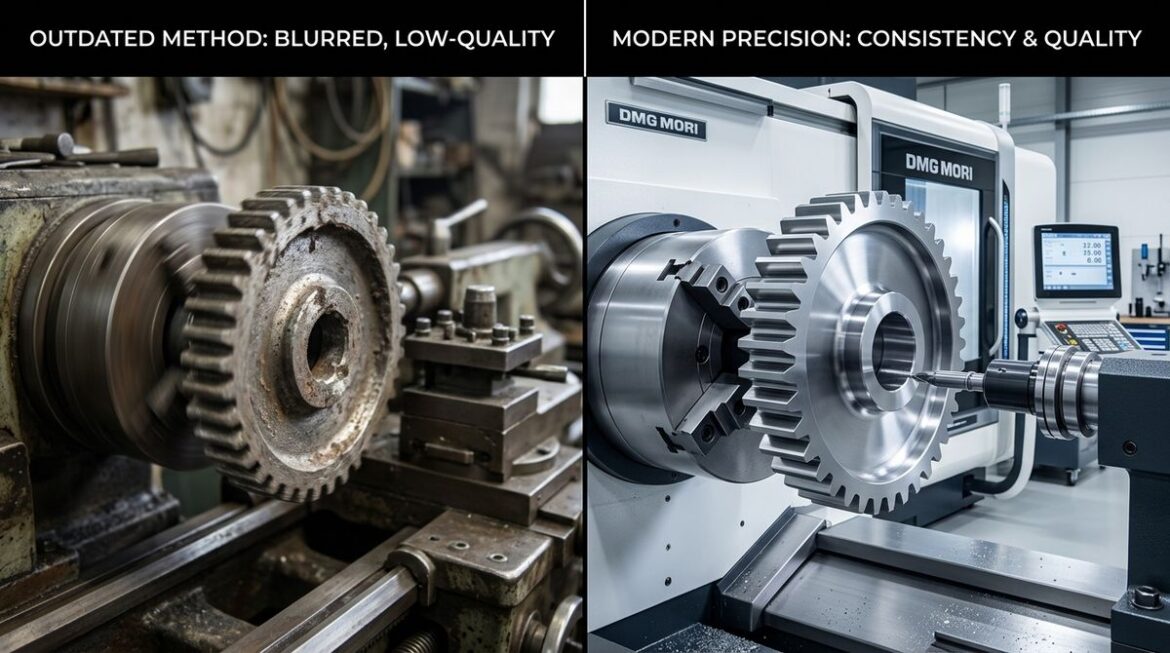
Behind every reliable passenger car lies an intricate manufacturing process driven by strict safety criteria and structural precision. Teaching youth about quality control introduces them to modern manufacturing concepts like computer-aided design, robotic welding, and automated inspection. Understanding that countless components must align perfectly fosters respect for tradespeople, assembly specialists, and quality auditors.
Exploring how different global manufacturers balance structural rigidity with passenger comfort gives young enthusiasts a broader perspective on modern craft. Young learners fascinated by structural craftsmanship and vehicle manufacturing can study international vehicle builds through busdriverse.com to see how leading engineers assemble high-performance machines. These insights reveal that durable construction relies on meticulous material selection, sound frame geometry, and extensive durability trials.
Safety engineering offers another compelling topic that resonates strongly with adolescents. Discussions about crumple zones, side-impact beams, and advanced airbag sensors illustrate how engineers apply physical laws to protect human life. When youth understand that vehicle bodies are deliberately engineered to deform during impact to absorb energy, they gain a deeper appreciation for both protective design and responsible driving behavior.
Guiding Thoughtful Discussions on Future Mobility
The modern transportation sector is undergoing a profound transition toward sustainability and digital integration. Engaging students in conversations about these shifts encourages them to think critically about resource stewardship and urban planning. Young people are often passionate about environmental protection, making clean mobility a natural topic for dinner table dialogues and classroom presentations.
Parents and teachers can explore the benefits and trade-offs of different energy sources, including hydrogen fuel cells, lithium battery chemistry, and alternative synthetic fuels. Comparing how these technologies generate power, how materials are extracted, and how recycling infrastructures handle depleted components helps youth grasp ecological complexity. It teaches them that meaningful environmental progress requires balancing technical feasibility with responsible resource management.
Digital connectivity in vehicles also introduces fascinating discussions around software architecture and sensor perception. Radar, ultrasonic detectors, and optical cameras work together to provide driver-assist features like lane keeping and emergency braking. Exploring the programming logic and sensor fusion behind these safety tools introduces teenagers to modern computer vision and software development concepts.
Encouraging Lifelong Curiosity and Technical Confidence
Fostering automotive curiosity is not solely about preparing students for engineering degrees or technical vocations. Learning how complex machines function builds overall problem-solving confidence that carries across many academic subjects. A teenager who learns how to diagnose an electrical fault or evaluate aerodynamic efficiency develops methodical reasoning skills that serve them well in any future endeavor.
Community members and family mentors play a vital role by validating curiosity whenever a child asks how a mechanism operates. Rather than brushing aside technical questions, adults can look up assembly diagrams together, visit local community repair cafes, or attend neighborhood car showcases. These shared moments demonstrate that curiosity is a continuous habit rather than a temporary classroom requirement.
By viewing personal vehicles through the lens of education and community discovery, families can transform ordinary daily travels into rich investigative adventures. When young minds are encouraged to look beneath the surface of the machines that move their communities, they gain a lasting appreciation for human ingenuity, craftsmanship, and innovation. That spark of curiosity can illuminate their educational path for many seasons to come.