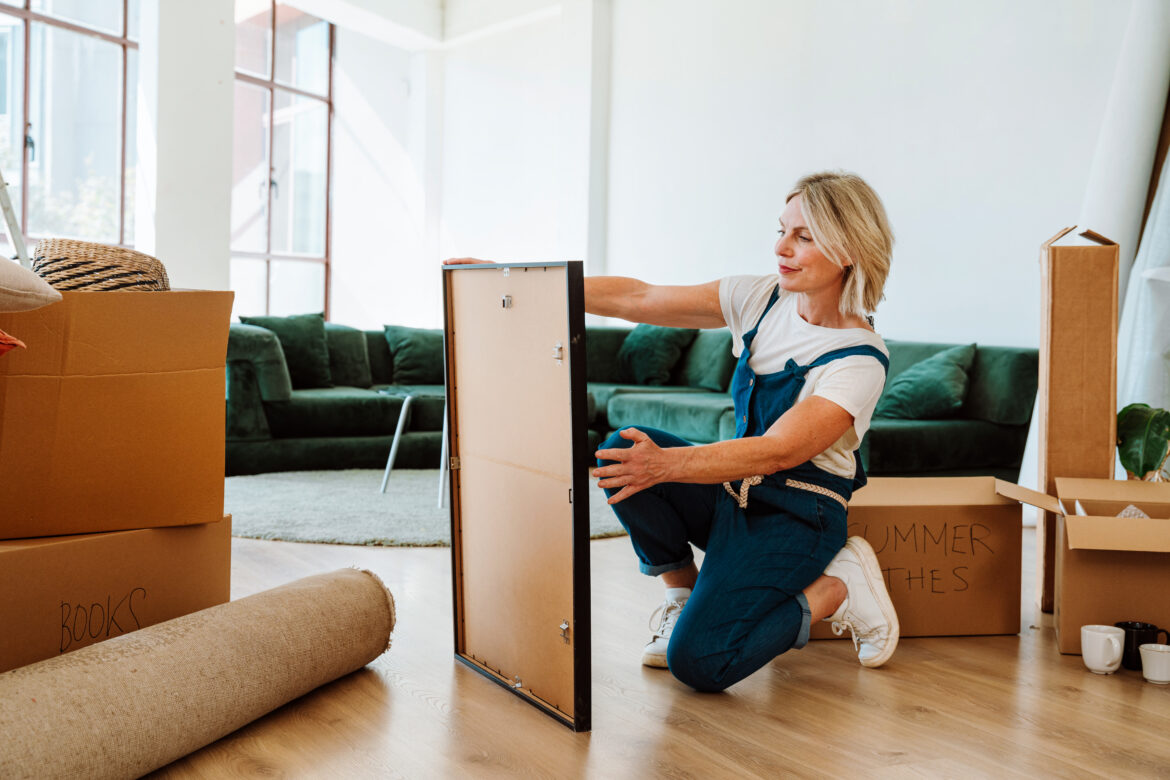
Packing away china, glassware, artwork, or family heirlooms can feel nerve-wracking. These items often carry sentimental or monetary value that makes damage unthinkable, yet storage units aren’t always designed with fragility in mind. The good news is that with the right approach, you can safely store delicate belongings for months or even years without a single crack or chip. Here’s how to do it right.
Choose the Right Storage Unit
Before you even start packing, think about where your items will live. Storage unit rentals come in a variety of sizes and climate configurations, and choosing correctly makes a significant difference for fragile belongings. A climate-controlled unit is particularly important for anything sensitive to temperature swings or humidity, such as wood furniture, musical instruments, electronics, or artwork. Extreme heat or cold can cause materials to expand, contract, or warp, while excess moisture invites mold and rust.
When comparing storage unit rentals, ask about ventilation, pest control measures, and how the facility handles seasonal temperature changes. A little research upfront saves you from costly surprises later.
Gather Quality Packing Materials
Skimping on packing supplies is one of the most common mistakes people make. Cardboard boxes that are too thin or too large can buckle under weight, and reused materials may already be compromised. Instead, invest in:
- Sturdy, double-walled boxes for heavier fragile items
- Bubble wrap and packing paper for cushioning
- Packing peanuts or foam inserts to fill empty spaces
- Dish and glassware dividers for kitchenware
- Furniture blankets or covers for larger pieces
Avoid using newspaper directly on items like dishes or glass, since the ink can transfer and the paper doesn’t provide much cushioning on its own.
Wrap Each Item Individually
Every fragile object deserves its own layer of protection. Wrap plates, glasses, vases, and figurines separately in packing paper or bubble wrap, securing each with tape so the wrapping doesn’t shift. For extra-delicate pieces, double-wrap them and add a layer of foam padding.
When it comes to plates, always store them vertically rather than stacking them flat. This position distributes pressure more evenly and reduces the risk of cracking. Glasses and stemware should be wrapped from the base up, with extra padding stuffed inside hollow openings to prevent inward pressure.
Pack Boxes Strategically
How you arrange items inside the box matters just as much as how you wrap them. Line the bottom of each box with a thick layer of crumpled packing paper or foam to create a cushioned base. Place heavier items at the bottom and lighter, more delicate pieces on top. Fill every gap with packing peanuts, foam, or extra paper so nothing shifts during transport or while sitting in storage.
Once packed, give the box a gentle shake. If you hear movement, add more padding. A properly packed box shouldn’t rattle or shift when moved.
Label Everything Clearly
Fragile items need visible, unmistakable labeling. Write “FRAGILE” on multiple sides of each box, along with arrows indicating which way is up. This simple step ensures that anyone handling the boxes, whether it’s you, a mover, or facility staff, knows to exercise caution.
Labeling also helps you stay organized. Note the general contents of each box so you can locate specific items later without having to open every container in your unit.
Arrange Items Thoughtfully Inside the Unit
Once you arrive at the facility, resist the urge to stack boxes haphazardly. Place heavier, sturdier boxes on the floor and lighter, fragile boxes on top. Avoid stacking fragile items too high, as this increases the risk of a collapse.
Keep breakable items away from the unit’s entrance where they’re more likely to be bumped or jostled. Use shelving units if possible to keep fragile boxes off the ground and organized by category, making them easier to access without disturbing everything else.
Revisit Your Storage Periodically
Even well-packed items benefit from an occasional check-in. Visiting your unit every few months allows you to inspect for signs of moisture, pests, or shifting boxes. This is especially important during seasonal transitions when temperature and humidity levels fluctuate most.
Final Thoughts
Protecting fragile items in storage comes down to preparation, quality materials, and thoughtful organization. By selecting the right unit, packing with care, and arranging your space wisely, you can safeguard your most delicate possessions for as long as you need. A little extra effort now means peace of mind knowing your treasured belongings will come out of storage exactly as they went in.