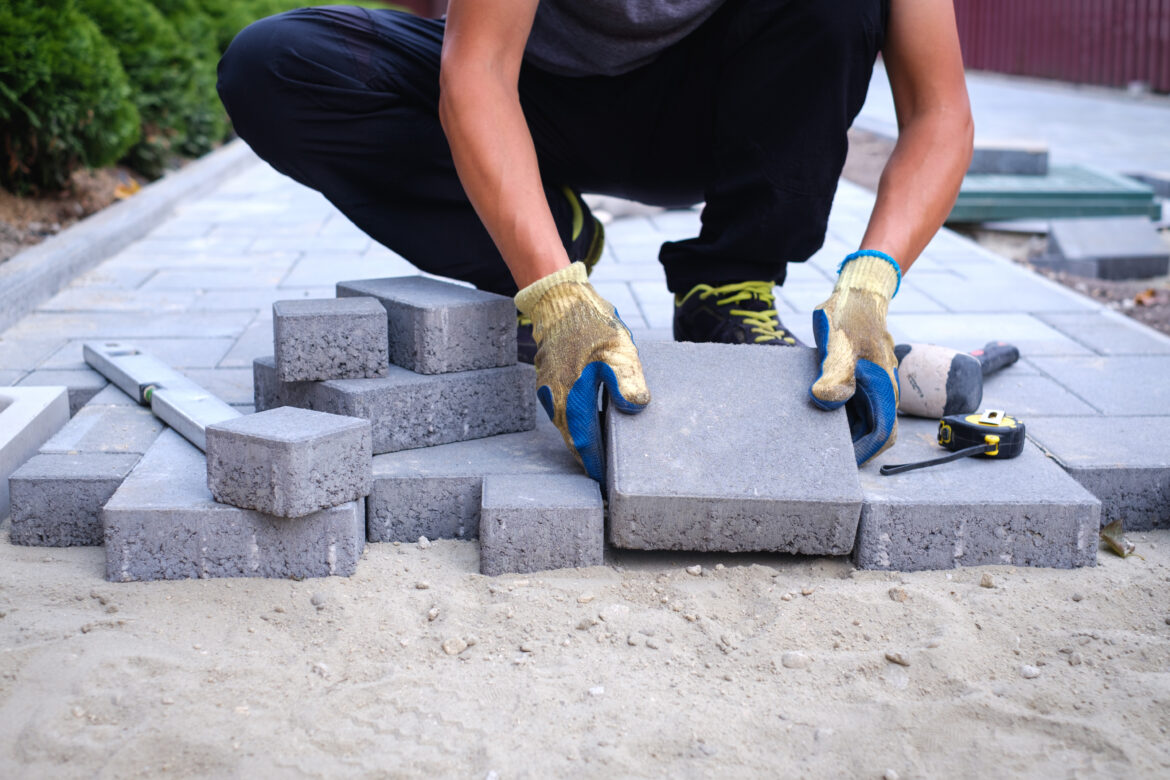
If you’ve ever admired a stone patio, a winding walkway, or a beautifully built retaining wall, you’ve already seen hardscaping in action. While most homeowners focus on lawns, flowers, and shrubs when planning their outdoor spaces, the hard, structural elements often make the biggest difference in how a yard looks and functions. Understanding hardscaping is the first step toward creating an outdoor space that’s both beautiful and built to last.
Defining Hardscaping
Hardscaping refers to the non-living, solid elements of a landscape design. Think patios, walkways, retaining walls, fences, pergolas, and driveways. Unlike softscaping, which covers grass, trees, flowers, and other plant life, hardscaping is all about the structural bones of your outdoor space.
These features are typically made from materials like stone, brick, pavers, concrete, wood, and gravel. Because they’re durable and don’t require the same upkeep as plants, hardscape elements provide a sense of permanence and structure that softscaping alone can’t achieve. A well-designed yard usually blends both, using hardscaping to create form and function while softscaping adds color and texture.
Why Hardscaping Matters
Hardscaping isn’t just about aesthetics, though it certainly boosts curb appeal. It also solves practical problems that every outdoor space faces. Patios and hardscapes create usable areas for entertaining, walkways guide foot traffic and prevent worn-down paths in the grass, and retaining walls manage erosion on sloped properties.
Beyond function, hardscaping tends to increase property value. Buyers are often drawn to homes with defined outdoor living areas, especially features like patios that extend a home’s livable square footage into the yard. A thoughtfully designed hardscape can transform an ordinary backyard into an extension of the home itself, complete with spaces for dining, lounging, and gathering with friends and family.
Common Types of Hardscape Features
There’s a wide range of hardscaping options, and beginners often find it helpful to break them down by purpose.
- Patios: These are flat, paved areas perfect for outdoor furniture, grills, and fire pits. Patios and hardscapes often go hand-in-hand since patios are usually the centerpiece of a backyard design.
- Walkways and paths: These connect different areas of a property while adding structure and preventing soil compaction from repeated foot traffic.
- Retaining walls: Built to hold back soil, these are essential for properties with slopes or uneven terrain.
- Driveways: Often overlooked as a hardscape element, driveways are a major structural feature that ties into the overall design of a property.
- Fences and pergolas: These vertical elements add privacy, shade, and architectural interest.
Each of these features can be built from different materials, and the choice often comes down to budget, climate, and the overall style a homeowner wants to achieve.
Choosing Materials for Your Hardscape
Material selection plays a huge role in both the look and longevity of a hardscape project. Natural stone offers a timeless, organic appearance but can come with a higher price tag. Pavers are popular for patios and walkways because they’re durable, available in many styles, and relatively easy to repair if one becomes damaged. Concrete is a budget-friendly option that can be poured into nearly any shape, while brick brings a classic, traditional charm that works well with many architectural styles.
Planning Your First Hardscaping Project
Before breaking ground, it helps to think about how the space will be used. Will the patio host large gatherings or serve as a quiet reading nook? Should the walkway be wide enough for two people to walk side by side? Answering these questions early on prevents costly redesigns later.
Drainage is another factor beginners often overlook. Hardscape surfaces don’t absorb water the way soil does, so proper grading and drainage solutions are essential to avoid pooling or runoff issues near the home’s foundation.
Finally, consider how hardscaping will interact with existing softscaping. The best outdoor designs create a seamless transition between hard structural elements and living greenery, so plan planting beds, borders, and lighting with the entire landscape in mind.
Bringing It All Together
Hardscaping might seem like a purely technical aspect of landscaping, but it’s really where form meets function. By combining durable materials with thoughtful design, patios and hardscapes can transform an underused yard into a functional, attractive extension of your home. Whether you’re planning a small walkway or a full backyard renovation, understanding the basics of hardscaping is the foundation for building an outdoor space you’ll enjoy for years to come.