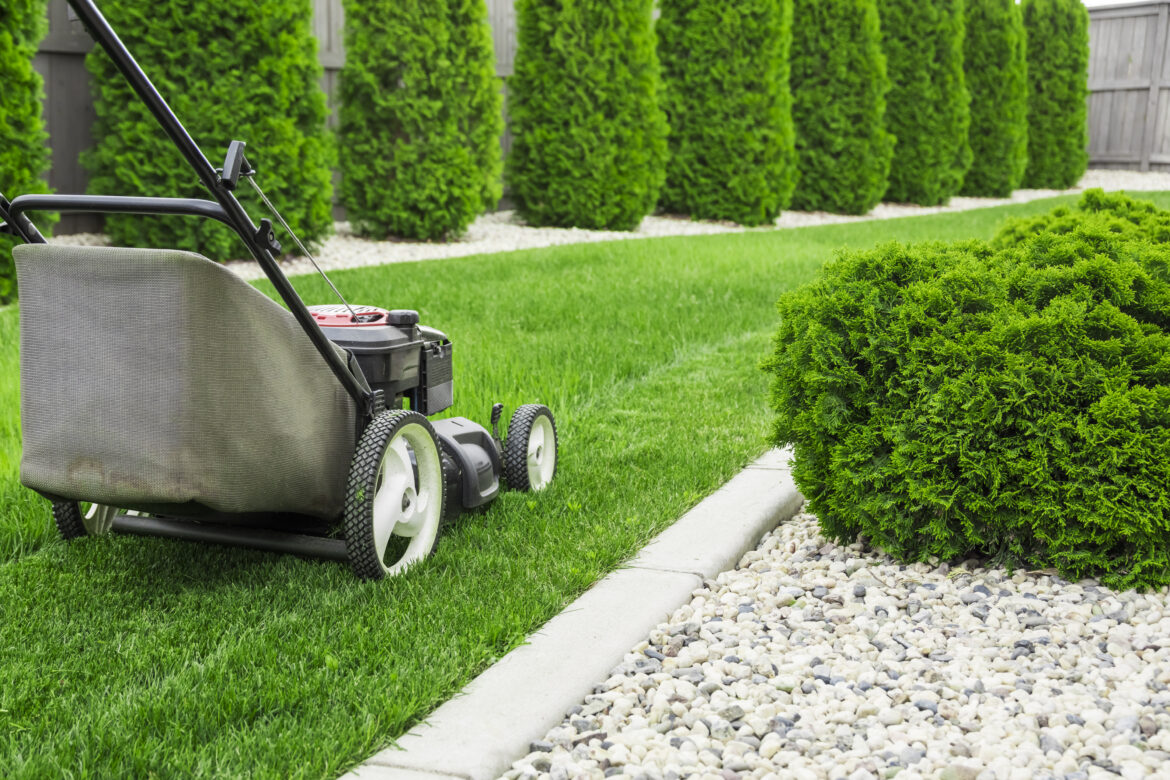
As the days grow shorter and the air turns crisp, your yard needs a little extra attention to make the seasonal shift smoothly. The transition from summer to fall is one of the most important times of year for landscaping, setting the stage for a healthy lawn and garden come spring. Here are seven tips to help your outdoor space thrive as the seasons change.
1. Rake and Remove Fallen Leaves Regularly
While a few scattered leaves might look picturesque, letting them pile up can suffocate your grass and encourage mold or fungal growth. Make raking a regular part of your routine rather than waiting until the yard is buried. If raking isn’t your favorite chore, consider mulching the leaves with a mower instead—this returns valuable nutrients to the soil while keeping your lawn visible and breathing.
2. Aerate and Overseed Your Lawn
Summer heat and foot traffic can compact soil, making it harder for grass roots to access water, air, and nutrients. Fall is the ideal time to aerate your lawn, loosening the soil and creating pathways for roots to grow deeper. Follow up with overseeding to fill in any bare or thin patches. The cooler temperatures and increased rainfall typical of autumn create perfect conditions for new grass seed to establish itself before winter arrives.
3. Trim Back Perennials and Divide Overcrowded Plants
As perennials finish blooming, cut them back to encourage healthy growth next season. This is also an excellent time to divide overcrowded plants, giving them room to breathe and multiplying your garden’s beauty for free. Split hostas, daylilies, and other clump-forming perennials, then replant the divisions in fresh spots around your yard. Their roots will have time to settle before the ground freezes.
4. Plant Fall Bulbs for Spring Color
If you want a garden full of tulips, daffodils, or crocuses come spring, fall is when the planning happens. Bulbs need a period of cold dormancy to bloom properly, making autumn the perfect planting window. Choose a spot with good drainage, dig to the appropriate depth for each bulb type, and space them out for a natural-looking display. A little effort now pays off in a colorful welcome when winter finally loosens its grip.
5. Clean and Store Garden Tools and Equipment
As your gardening tasks wind down, take time to clean, sharpen, and properly store your tools. Removing dirt and rust prevents damage and extends the lifespan of shovels, pruners, and rakes. Don’t forget about your mower, either. Give it a thorough cleaning, check the oil, and consider a tune-up before putting it away for the season. Taking care of your equipment now means less hassle and expense when spring rolls around again.
6. Protect Trees and Shrubs Before the Freeze
Woody plants benefit from a bit of preparation before winter sets in. Water trees and shrubs deeply in the weeks leading up to the first frost, as this helps them build up reserves for the colder months ahead. Applying a fresh layer of mulch around the base helps insulate roots and retain moisture. If you have young or particularly vulnerable trees, wrapping the trunks can help protect them from harsh winds and temperature swings.
7. Clean Out Gutters and Inspect Drainage
Fall landscaping isn’t just about plants and lawns. Clogged gutters can lead to water damage on your home and erosion in your yard, so it’s worth taking the time to clear out leaves and debris. While you’re at it, check that your yard’s drainage is directing water away from your foundation and garden beds. Addressing these issues now can prevent costly problems when winter snow and ice start to melt.
Wrapping Up
Transitioning your yard from summer to fall doesn’t have to be overwhelming. By tackling these tasks in stages, from lawn care to plant protection, you’ll set your landscape up for success through the colder months and beyond. A little effort during this seasonal shift means you’ll spend less time on repairs and more time enjoying your outdoor space once spring returns. Take advantage of the mild fall weather to get these projects done, and your yard will thank you when it bursts back to life next year.