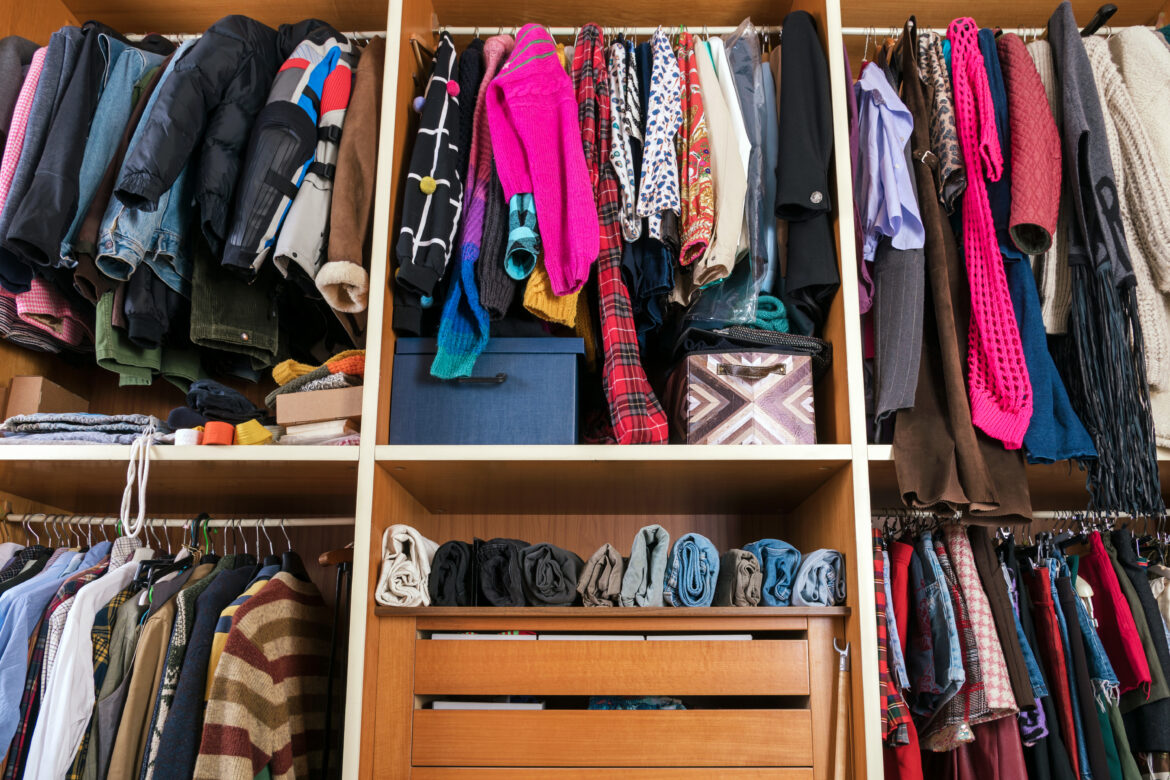
Swapping out your closet for the changing seasons can feel like a chore, but with the right approach, it becomes a refreshing reset rather than a headache. Whether you’re moving from winter coats to summer linens or packing away tank tops for cozy sweaters, a seasonal wardrobe transition helps you stay organized, save space, and rediscover pieces you forgot you owned. Here’s how to make the process smooth, efficient, and even enjoyable.
Why Seasonal Wardrobe Transitions Matter
Living with your entire wardrobe crammed into one closet year-round leads to clutter, wrinkled clothes, and that frustrating morning scramble when you can’t find anything to wear. Transitioning your wardrobe by season isn’t just about aesthetics — it’s about function. Rotating clothing keeps your everyday space manageable, protects off-season garments from unnecessary wear, and gives you a clear view of what you actually have. It also creates a natural opportunity to assess what’s worth keeping, donating, or replacing before the next season rolls around.
Start With a Full Wardrobe Audit
Before you pack anything away, pull everything out. Lay it all on the bed, sort by category, and take stock of what you own. Ask yourself honestly: Did you wear this last season? Does it still fit? Is it damaged beyond repair? This audit is the foundation of a successful transition because it prevents you from storing items you’ll never wear again. Create three piles — keep, donate, and toss — and be ruthless. The goal is to only store pieces that earned their spot for next year.
Clean Before You Store
Never pack away clothing that’s dirty, stained, or damp. Odors and moisture attract pests and encourage mildew, which can ruin an entire storage bin of clothes. Launder or dry-clean everything before it goes into storage, and make sure items are completely dry. For delicate fabrics like wool or cashmere, consider a gentle hand wash or a trip to a specialty cleaner. This small extra effort now saves you from unpacking a stinky, moth-eaten mess when the season changes again.
Choose the Right Storage Solutions
Not all storage containers are created equal. Cardboard boxes might seem convenient, but they’re vulnerable to moisture and pests. Instead, invest in breathable, sturdy storage solutions like vacuum-sealed bags for bulky items such as coats and comforters, or clear plastic bins with tight-fitting lids for everyday folded clothing. Label everything clearly by category and season so future-you doesn’t have to play detective. If closet space is tight, under-bed storage containers or hanging garment bags can make a big difference without taking up extra square footage.
Consider Off-Site Storage for Extra Space
If your closets and spare bins simply can’t handle the volume, a storage unit might be the practical answer. Renting a storage unit is an increasingly popular option for people who want to keep off-season wardrobes safe without sacrificing living space. A climate-controlled storage facility is particularly useful for delicate fabrics, leather, or vintage pieces that are sensitive to temperature swings and humidity. Storage rental gives you the flexibility to access your belongings whenever you need them while keeping your home free of seasonal clutter. Many facilities offer a range of unit sizes, so you can choose something as small as a closet-sized space or larger, depending on how much you’re rotating each season.
Organize as You Go
Whether you’re using a spare closet, bins in the garage, or an off-site unit, organization is everything. Group items by category — sweaters together, swimwear together, boots together — rather than tossing everything into one container. Use clear bins or labels so you can find exactly what you need without unpacking every box. If you’re using storage solutions like a rented unit, consider placing frequently accessed seasonal transition items (like light jackets for unpredictable weather) near the front for easy retrieval.
Make the Switch a Seasonal Ritual
Rather than treating wardrobe transitions as a dreaded task, turn it into a seasonal ritual. Pour a cup of coffee, put on a podcast, and use the time to reconnect with your closet. It’s a natural checkpoint to notice trends you’re drifting away from, colors you’re gravitating toward, and gaps you might want to fill during the next shopping trip. Over time, this rhythm becomes second nature, and each seasonal swap gets faster and more intuitive.
Final Thoughts
A well-executed seasonal wardrobe transition is about more than just swapping sweaters for shorts. It’s a chance to declutter, protect your clothing investment, and create a more functional living space. With smart storage solutions — whether that’s bins under the bed or a dedicated storage unit — you can keep your wardrobe organized all year long while giving every piece the care it deserves.