If you’ve been dealing with chronic pain, you’ve probably heard the suggestion to try physical therapy. But what does that actually mean? Is it just stretching and exercise? Does it really address the root cause, or is it just another temporary fix?
The answer is more nuanced — and more promising — than most people expect.
It’s Not Just About Strengthening Muscles
Physical therapy gets oversimplified a lot. Many people assume it’s a series of basic exercises prescribed to anyone complaining of back pain or a sore knee. In reality, physical therapy is a targeted clinical approach designed to identify why pain persists and address the underlying mechanical, neurological, and movement-based factors driving it.
A skilled physical therapist evaluates how you move, where your body compensates, and which structures are under excessive stress. From there, treatment is built around your specific patterns — not a generic protocol.
Chronic Pain Has Layers
Long-term pain isn’t the same as acute pain from an injury. Over time, the nervous system can become sensitized, meaning it starts signaling pain even when the original tissue damage has healed. This is known as central sensitization, and it explains why chronic pain often feels disproportionate to what’s actually happening structurally.
Physical therapy works on multiple levels here. Manual therapy techniques can help calm irritated tissues and improve joint mobility. Targeted movement retraining helps restore normal patterns that may have been disrupted by guarding or compensating around pain. And education — often undervalued — helps patients understand what’s happening in their body, which directly reduces fear-avoidance behavior and can lower pain intensity on its own.
Movement as Medicine
One of the most counterintuitive aspects of chronic pain management is this: movement is often the treatment, not the thing to avoid. Prolonged rest tends to reinforce pain sensitivity, weaken supporting structures, and reduce overall function.
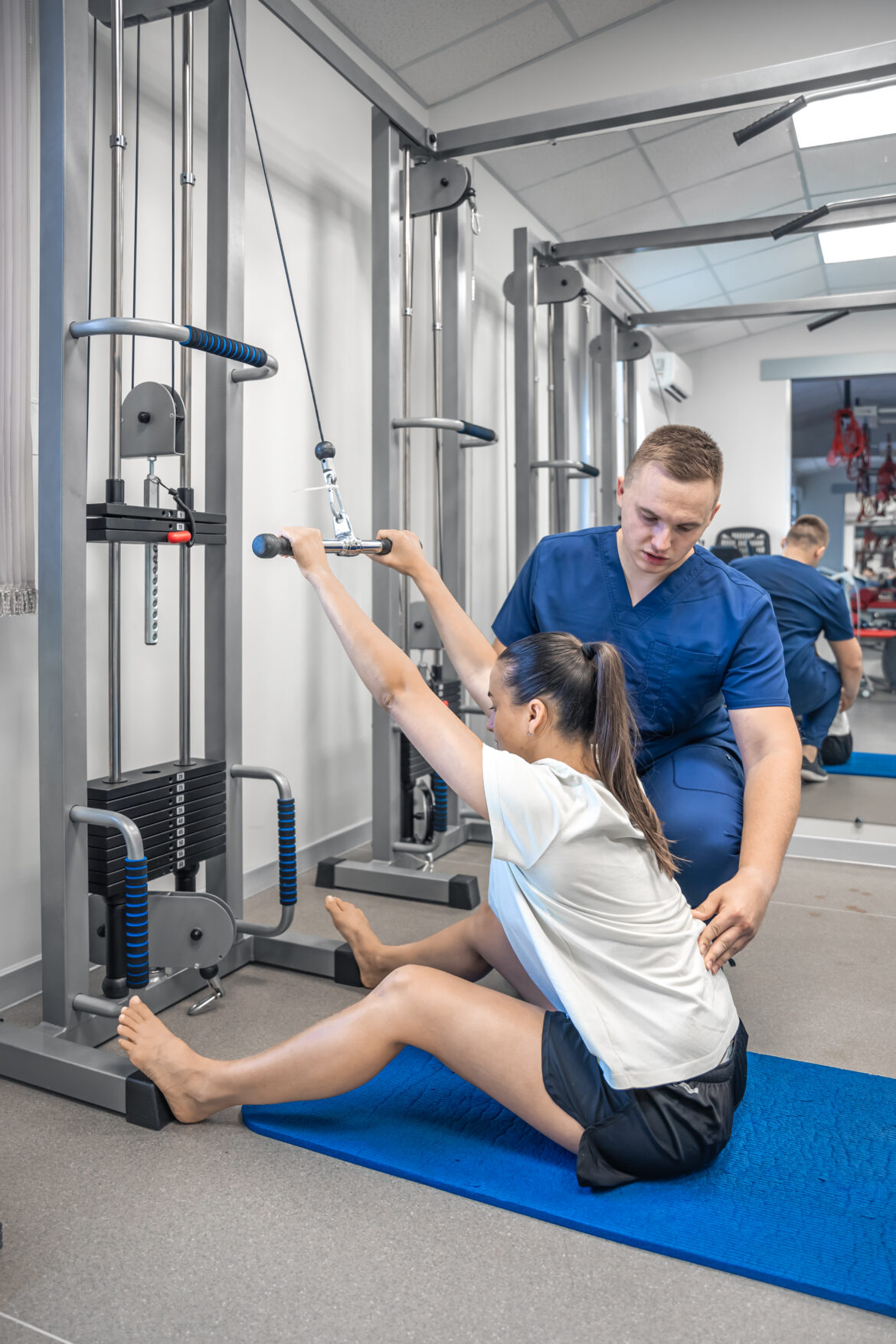
Physical therapy helps people reintroduce movement gradually and safely. This isn’t about pushing through pain. It’s about finding the right level of activity, building tolerance over time, and reclaiming the ability to do things that chronic pain has taken away — whether that’s sleeping through the night, returning to work, or getting back to physical activity you used to enjoy.
Addressing the Whole Pattern
Pain rarely exists in isolation. A shoulder issue often involves how the thoracic spine moves. Knee pain frequently connects back to hip strength and foot mechanics. Physical therapists look at the full picture rather than treating the site of pain in isolation.
This whole-body perspective is one of the key reasons physical therapy can produce lasting results. When you address the contributing factors — not just the symptoms — the underlying problem becomes less likely to return.
What to Realistically Expect
Physical therapy isn’t a quick fix, and it requires active participation. Progress takes time, especially when the nervous system has been in a heightened state for months or years. But consistent, well-directed treatment tends to produce meaningful improvements in function and pain reduction.
The goal isn’t to eliminate every trace of discomfort overnight. It’s to build a body that’s more resilient, more capable, and less dependent on pain management as a way of life.
If you’ve been managing chronic pain with medication, avoidance, or simply tolerating it, physical therapy offers something different — a path toward addressing what’s actually driving the problem.