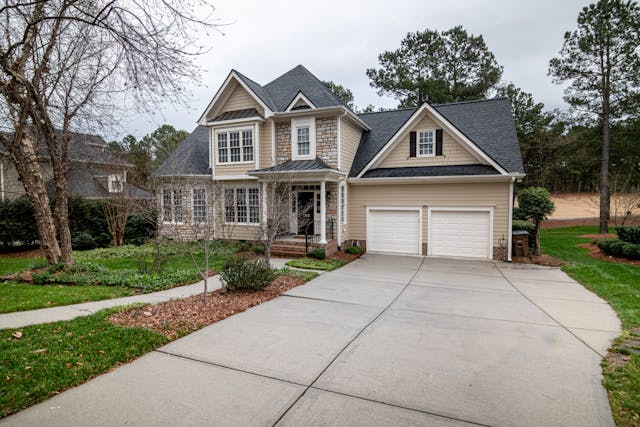
Landscaping is more than decorative planting or arranging a few flower beds—it’s the art and science of creating outdoor spaces that are functional, beautiful, and ecologically balanced. Whether you’re working with a compact suburban yard or a larger garden, thoughtful landscaping can enhance property value, support local wildlife, reduce maintenance needs, and even improve your family’s quality of life.
In essence, a good landscape is a living, evolving environment. It reflects seasonal changes, adapts to weather conditions, and responds to human use. When designed with purpose, it becomes a dynamic extension of the home rather than an afterthought.
Understanding Your Outdoor Space
Before you begin selecting plants or laying pavers, it’s important to evaluate what you’re working with. Consider:
- Sunlight exposure: Which parts of your yard receive full sun, partial shade, or deep shade?
- Soil type: Is your soil sandy, clay-heavy, or loamy? Soil texture affects drainage and nutrient levels.
- Water flow: Are there areas that stay wet after rain or others that dry out quickly?
- How you’ll use the space: Do you want room for play, entertaining, gardening, or relaxing?
Understanding these basics helps you make informed choices about plant selection, hardscape placement, and maintenance routines.
For practical insight into common landscaping approaches in your broader area, homeowners can explore local examples like the guide to landscaping, which highlights what plants and designs often thrive in similar climates and urban contexts.
Choosing the Right Plants
Plant selection is one of the most rewarding—and challenging—parts of landscaping. Native plants are often a smart choice because they are adapted to local conditions and typically require less water and fertilizer. They also support native pollinators like bees, butterflies, and birds, helping local ecosystems flourish.
Group plants according to their water and light needs. This strategy, known as hydrozoning, ensures efficient use of water and reduces stress on plants. Perennials offer years of return with minimal replanting, while ornamental grasses and shrubs provide structure and visual interest throughout the seasons.
Soil Health Matters
Soil is the foundation of every plant’s health, yet it’s often overlooked. Good soil supports robust root systems, improves water retention, and facilitates nutrient uptake. If your soil is compacted or lacks organic matter, consider amending it with compost or other organic materials. Mulching beds not only suppresses weeds but also helps retain moisture and moderate soil temperature.
Testing your soil for pH and nutrient levels can be a wise first step—especially if you plan to grow vegetables or delicate ornamentals. A balanced soil means healthier plants and fewer inputs like water or fertilizer.
Water Wisely
Efficient water use benefits both your landscape and the environment. Frequent, shallow watering encourages plants to develop weak, surface-level roots. Instead, water deeply and less often to promote deeper, stronger root growth. Early morning is the optimal time to water because evaporation rates are lower and plants can absorb moisture before the heat of the day.
Installing drip irrigation or soaker hoses reduces water waste by delivering water directly to plant roots. Pairing this with rain sensors or smart controllers ensures that your system adapts to weather changes rather than operating on a fixed schedule regardless of actual need.
Incorporating Hardscape Elements
Hardscaping—like patios, pathways, stone walls, or seating areas—adds function and structure to your garden. These features define outdoor “rooms,” guide movement through the space, and can even help with drainage issues. Choosing materials that complement your home’s architecture, such as natural stone or permeable pavers, enhances both aesthetics and performance.
Permeable surfaces allow water to soak into the ground rather than running off, which helps reduce soil erosion and support healthier plant growth.
Maintenance With Purpose
A low-maintenance design doesn’t mean neglect—it means smart planning. Choose plants with similar care needs, mulch garden beds to reduce weeds, and prune only as needed to maintain health and form. Seasonal tasks, like dividing crowded perennials or refreshing mulch layers, keep a landscape vibrant year after year.
Landscaping as Community Enhancement
Thoughtful landscapes extend benefits beyond individual properties. They can reduce heat island effects in urban areas, improve air quality, and create habitat corridors for wildlife. Sharing sustainable landscaping ideas with neighbors or participating in community garden projects multiplies these positive effects.
In the end, successful landscaping balances beauty with ecology, creating outdoor spaces that are enjoyable, resilient, and environmentally responsible. With smart planning and purposeful care, any yard can become a landscape that supports both people and the planet.